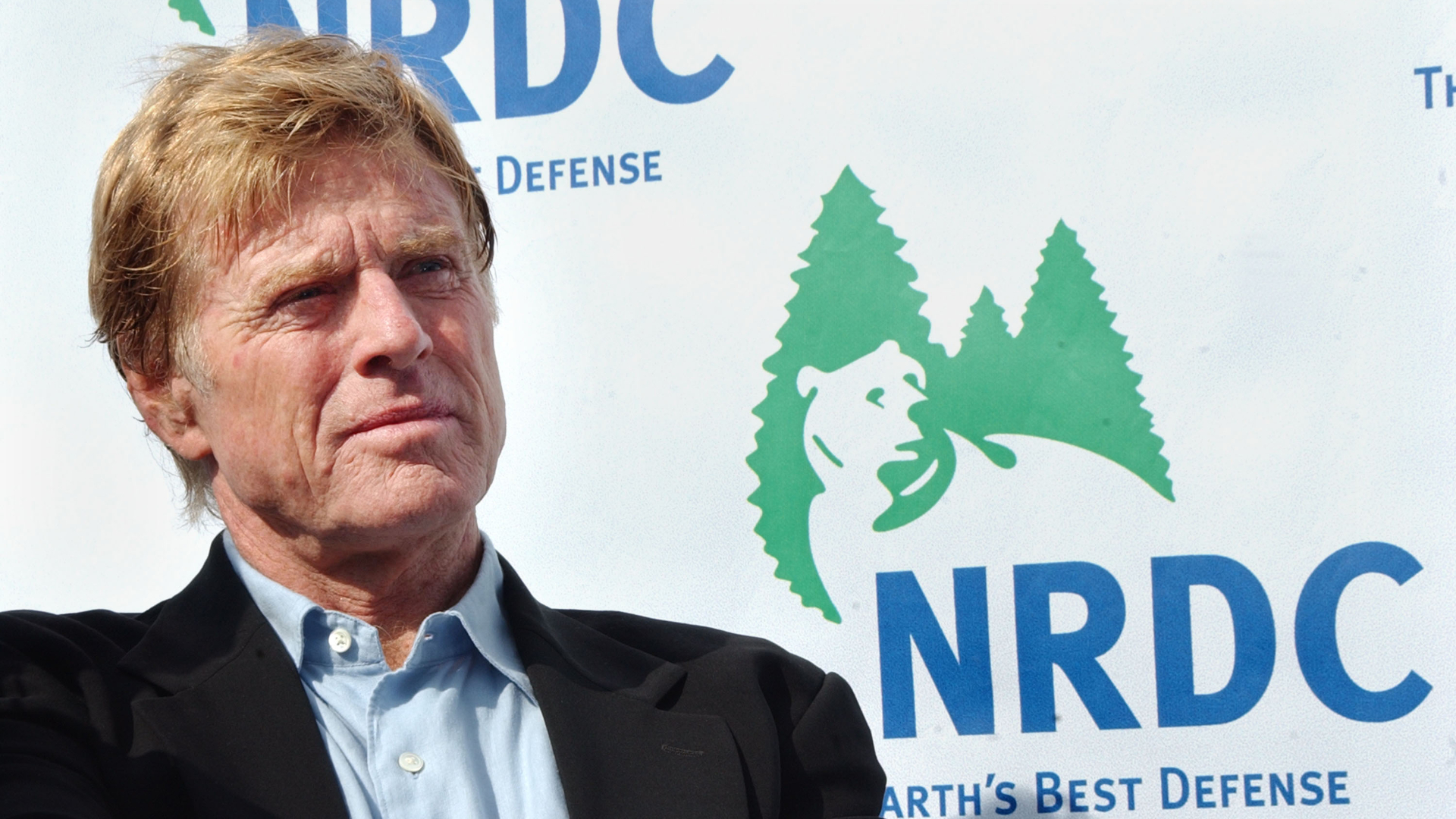
Robert Redford, a figure whose influence stretched far beyond movie screens, spent his life showing that the brightest spotlight could be used not for self-promotion, but to illuminate others. As tributes continue to pour in following his passing, many have focused on his towering film legacy. But perhaps Redford’s most profound contribution to Hollywood wasn’t a single performance, or even Sundance—it was the way he made helping others feel aspirational.
I once met Redford in 2012, while he was promoting The Company You Keep, a film he starred in alongside Shia LaBeouf. When the conversation drifted toward how to “do good” in Hollywood, Redford laughed softly before offering two insights. First: never take celebrity too seriously. Second: don’t live in Hollywood. “By coming and going, by doing the work and leaving, by dropping bombs in enemy territory and getting out,” he said, half-joking, but mostly earnest.
The comment felt strange coming from someone so synonymous with stardom—a man whose screen presence was so powerful in the 1970s that only another Robert Redford movie could dethrone him at the box office. Yet that contradiction explains him perfectly. The celebrity was real, but Redford treated it as a tool, not an identity.
The Original Blueprint for the Modern Activist Artist
Today, we’re used to seeing A-listers use their fame in service of global causes—Clooney for human rights, Jolie for refugees, DiCaprio for climate action. But decades before it became common, Redford was already walking that path. To him, advocacy wasn’t a side project. It was woven into his art, his institutions, his personal mission.
Long before it was typical for stars to champion social issues, Redford was quietly raising awareness for Native American rights, environmental protection, and the dangers facing fragile ecosystems. He worked with the Natural Resources Defense Council, founded the Redford Center, and—alongside his son James—shed light on the need for organ transplant awareness. His work didn’t feel performative. It felt lived.
If the Sundance Kid cared, why wouldn’t you?
Mentorship: His Most Underrated Legacy
For all his cultural reach, one of the words most frequently appearing in memorial pieces is mentor. Redford guided people—famous and unknown—on their creative journeys. He mentored Brad Pitt early in his career on A River Runs Through It. He did the same for young filmmakers at Sundance and for organizers working with him on environmental campaigns.
Daniel Hinerfeld of the NRDC described Redford as deeply involved in campaigns to stop environmentally destructive projects, preserve the American West, and address water crises. “He mentored us as media makers and filmmakers,” Hinerfeld said, recalling how Redford marshaled resources to help others tell their stories.
His mentorship was not loud or self-congratulatory. It was personal, intentional, and transformative.
A Reminder in a Self-Focused Age
At a time when public discourse often rewards selfishness, Redford modeled the opposite. He showed that helping others didn’t diminish you—it elevated everyone. He pushed back against the idea that life is a zero-sum game and instead offered a gentler, more generous worldview.
Even his on-screen roles encouraged self-reflection. Whether playing Bob Woodward in All the President’s Men or directing Ordinary People, The Milagro Beanfield War, and The Conspirator, Redford’s work nudged viewers to listen to their better instincts. Even in films where his character was flawed—Out of Africa, The Way We Were, The Candidate—Redford made audiences want to grow beyond the limitations of the people he portrayed.
A Presence That Changed Lives
Director Darren Aronofsky, who first met Redford at Sundance in 1998, recalled that when Redford spoke to you, “he completely locked in and focused deep into your soul.” Redford later advised Aronofsky during the development of Requiem for a Dream, offering a note that directly shaped one of the film’s most iconic scenes. “It would be impossible to quantify the amount of generosity he gave to the filmmaking world,” Aronofsky wrote.
Remove Robert Redford from the past fifty years of Hollywood, and an entire ecosystem of films, artists, and causes disappears. Every actor who champions a charitable effort, every activist who turns to a celebrity for amplification—they all follow a trail he blazed.
Redford didn’t just change movies. He changed what it meant to use fame responsibly. He made helping people feel not only worthwhile—but undeniably cool.