The media and entertainment world is knee-deep in an identity makeover—and logos aren't the only things changing. From streaming platforms to cable networks and even legacy publishers, companies are swapping names and shedding familiar badges in a push to stay relevant to audiences—and yes, to Wall Street. The result? A whirlwind of reimagined brands that sometimes clarify their mission—and sometimes just confuse everyone for a while.
In the past few months alone, some of the country's most recognizable media companies hit the rename button. Gannett now calls itself USA Today Inc., while Dotdash Meredith reintroduced itself as People Inc.—a move that hitchhikes on their most widely recognized consumer brand. Over in streaming land, ESPN and CNN decided the strongest move was simplicity: their new streaming services are just called ESPN and CNN, with Apple TV quietly ditching the plus sign entirely, moving from "Apple TV+" to the more clean "Apple TV."
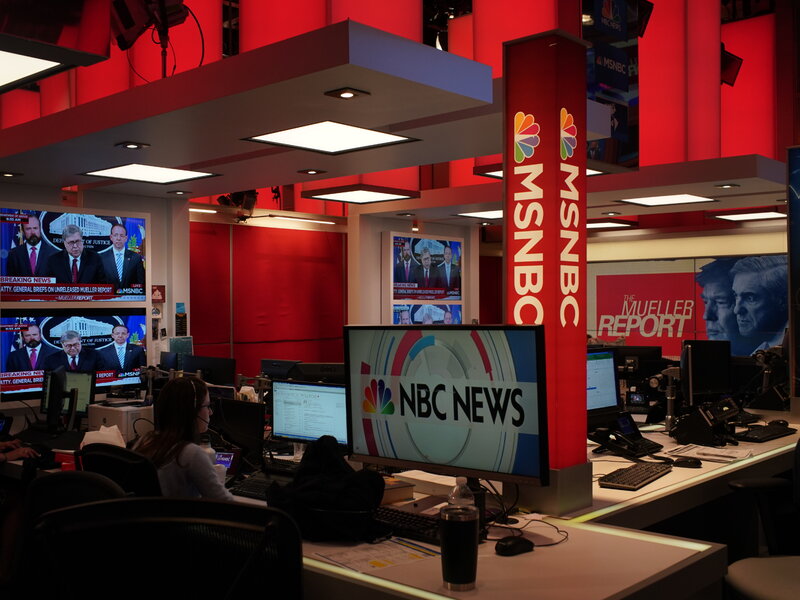
Even cable providers are getting in on the act: Altice is rebranding as Optimum, just as its rival Charter readies its own rechristening as Cox. But of all the various rearrangements underway throughout the industry, perhaps the most closely watched will be NBCUniversal's decision to spin off its cable networks into a newly-named parent company dubbed Versant. Under that umbrella, CNBC retains its name—but MSNBC is reborn as MS NOW.
The move raised eyebrows internally and externally. Why did one network get to keep its NBC label while the other didn't? The answer comes down to corporate ownership agreements and trademark terms. CNBC, though originally the Consumer News and Business Channel, negotiated to stay tied to the NBC name for the next several years. MS NOW, meanwhile, will lose not just the initials—it will also be flying without the iconic peacock logo.
According to MS NOW president Rebecca Kutler, keeping “MS” was non-negotiable. The new name stands for “My Source for News, Opinion and the World,” a phrase meant to emphasize direct, personal connection with viewers. And early reactions from both talent and audiences are proving something important: the attachment isn’t to the name—it’s to the people on screen.
Prime-time host Jen Psaki admitted she braced for a headache when she first heard about the change. But meeting fans at recent events reminded her that loyalties hinge on trust in the voices delivering the news, not necessarily the letters in the channel’s logo. Fellow host Michael Steele compared the pivot to a teenager heading off to build a life beyond the family home: a shift toward independence, identity and immediacy.
Marketing pros say the key distinction is between a "house of brands" (think Unilever—no one buys Unilever toothpaste, they buy brands Unilever owns) and a "branded house" (think Disney, where the name itself is the selling point). Versant lives in the former category: a behind-the-scenes parent enabling frontline brands like MS NOW to shine. The job of the corporate shell is simple—support, don't star.
And with networks such as ESPN, the converse holds: the name is the product. In the words of ESPN's CEO, "There's power in those four letters."
In a media world overflowing with content, recognizable brands act like lighthouses. People gravitate toward what they know, trust, and feel connected to. And even when a name changes, loyalty can follow—if the mission stays clear and the voice stays steady. As Joe Scarborough quipped: “Five years ago we would’ve panicked. Today? Change is just the business.”