The BBC has formally apologized to President Donald Trump after airing a Panorama documentary that included a misleadingly edited clip of his January 6, 2021 speech. But while the U.K. broadcaster acknowledged the error and expressed regret, it made one thing clear: there will be no compensation, and the corporation strongly disputes that the incident provides any grounds for a defamation lawsuit.
The apology comes days after Trump threatened legal action, insisting that the Panorama edit portrayed him as though he was calling for violence ahead of the Capitol attack. The controversy has already shaken leadership inside the BBC, triggered resignations at the highest levels, and now sparked an international political-media clash.
The BBC Responds to Trump’s Legal Threat
“Lawyers for the BBC have written to President Trump’s legal team in response to a letter received on Sunday,” the broadcaster said in a statement released Thursday. The corporation added that BBC chair Samir Shah had sent his own personal letter to the White House, directly expressing regret to Trump for the way the clip was edited.
Shah’s letter centered on the segment of Trump’s January 6 address that was altered during production. The edit appeared in Trump: A Second Chance?, a Panorama documentary examining political and public opinion as Trump seeks a return to the White House. According to Shah and BBC leadership, the edit unintentionally conveyed Trump as calling for violent action.
The BBC has since confirmed that it will not rebroadcast the program on any of its platforms.
But the BBC Rejects Trump’s Demand for Damages
While the BBC was quick to apologize, it was equally firm in rejecting any suggestion that the edit constituted defamation. “While the BBC sincerely regrets the manner in which the video clip was edited,” the spokesperson continued, “we strongly disagree there is a basis for a defamation claim.”
In essence: yes, the edit was wrong — but not legally actionable.
This sets up a familiar dynamic for Trump, who in recent years has threatened lawsuits against major news outlets including The New York Times and The Wall Street Journal. The BBC, however, appears confident that English defamation law does not support his claim.
Leadership Fallout: BBC Executives Step Down
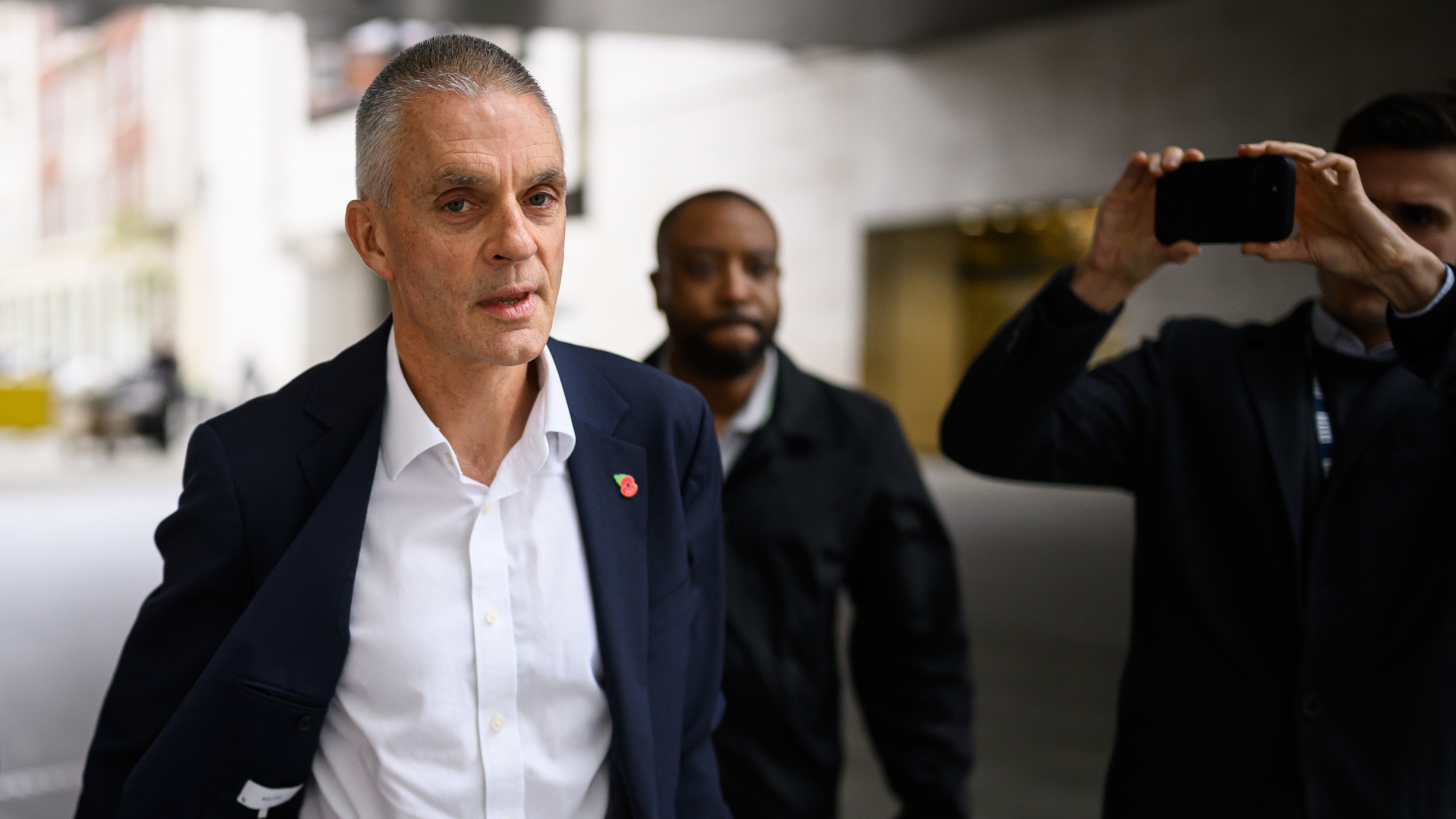
The controversy has already reshaped the BBC’s internal leadership landscape. Earlier this week, Deborah Turness, CEO of BBC News, and Tim Davie, the BBC’s director-general, both resigned after an internal investigation concluded the documentary included an improperly edited version of Trump's January 6 speech.
The corporation determined the edit deviated from editorial standards and risked misleading viewers. BBC chair Samir Shah called the mistake “serious,” noting that Trump was portrayed in a manner that could distort public understanding of his words on a highly sensitive historical event.
The departures of Turness and Davie marked one of the most consequential leadership shake-ups at the BBC in years.
A Familiar Pattern for Trump
Trump’s swift threat of a lawsuit echoes many of his past confrontations with media organizations. Throughout his political career, he has aggressively challenged news outlets he believes have misrepresented him, often threatening legal action even when such cases rarely progress in court.
His legal team’s letter to the BBC followed the same playbook, alleging that the documentary harmed Trump’s reputation and character by suggesting he encouraged violence on January 6.
The BBC’s latest statement appears aimed at preventing the situation from escalating further while firmly defending its legal position.
Where Things Stand Now
For now, the BBC hopes its apology — coupled with its decision not to rebroadcast the Panorama episode — will help draw a line under the controversy. But the corporation remains equally resolute in its refusal to offer compensation or concede to claims of defamation.
The issue lands at the intersection of politics, media ethics, and international relations, and it is unlikely to fade quietly. With Trump continuing his campaign for another term in the White House, clashes between his team and global media organizations may only intensify.