
The Quiet Force Redefining Global Commerce: Why Ping Yan Represents the Future of Leadership
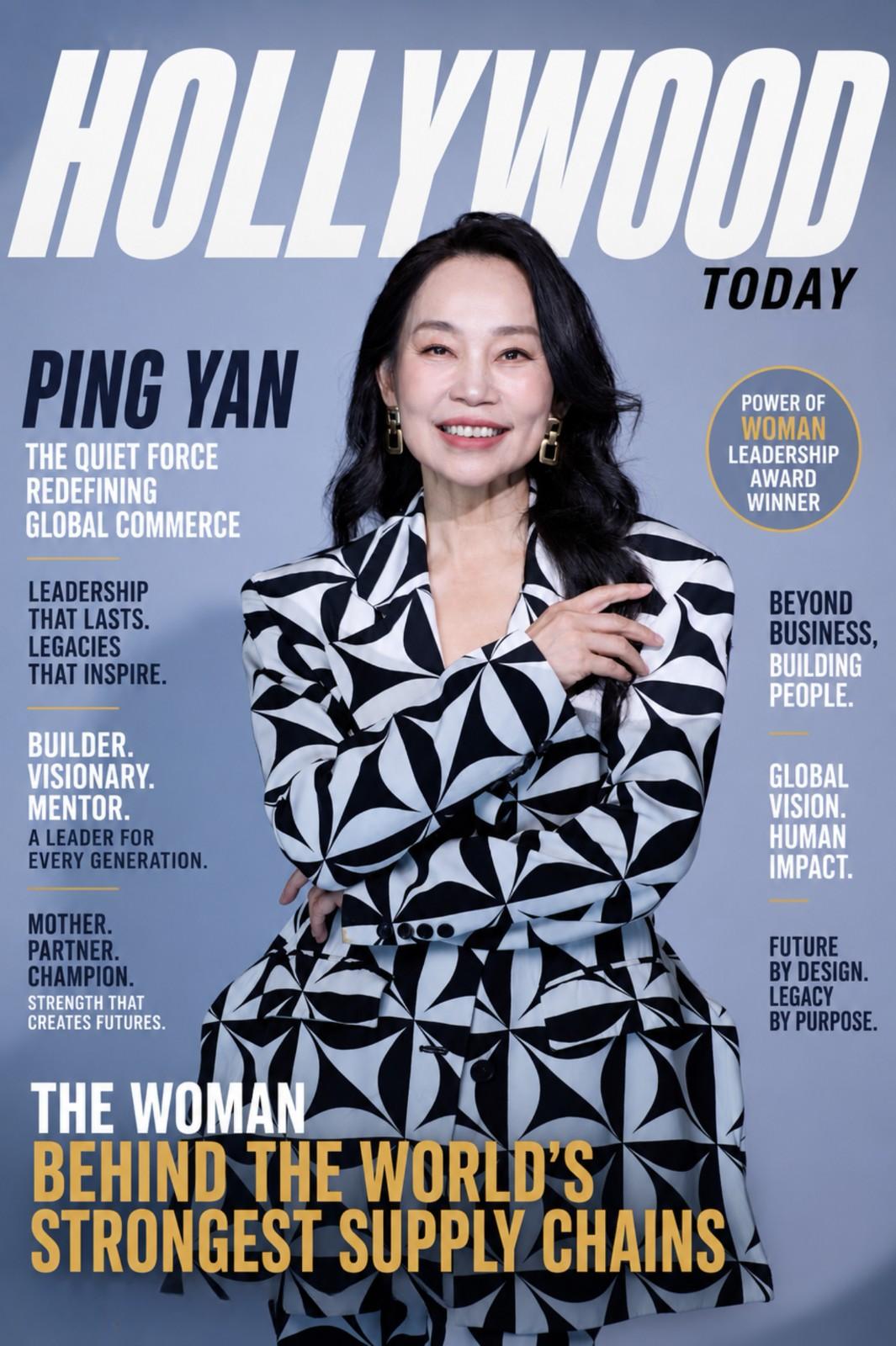
In an era that often celebrates the loudest voices in the room, Ping Yan built something far more enduring: influence without spectacle, authority without noise, and leadership powerful enough to reshape industries across continents.
Long before she became a respected voice in global commerce, Ping Yan's journey began with the courage to embrace uncertainty. Leaving China with two suitcases and a dream, she arrived in the United States determined to create opportunities through hard work, continuous learning, and perseverance. She first built a successful career in technology and enterprise systems before making the bold decision to leave the security of corporate leadership and pursue entrepreneurship. It was a path defined by resilience, adaptability, and an unwavering belief that every challenge presents an opportunity for growth.
That journey ultimately became about far more than building a global business. It shaped a leadership philosophy that continues to guide her today: helping people and organizations move from surviving to thriving. Through decades of economic cycles, supply chain disruptions, geopolitical shifts, and rapid technological transformation, Yan has remained steadfast in her belief that sustainable success is never built on short-term reactions. It is built on long-term vision, trusted relationships, continuous innovation, and a commitment to empowering people to achieve more together. For Yan, leadership has never been about building the biggest company—it has always been about building people, creating trust, and leaving every organization stronger than she found it.

For more than three decades, the CEO and Co-Founder of ABS International has operated at the highest levels of global manufacturing and sourcing, quietly becoming one of the most respected figures in international home textiles and supply chain strategy. While headlines often gravitate toward founders who move fast and disrupt loudly, Yan represents a rarer archetype in modern business—the builder who creates institutions that last.
Her fingerprints can be found across some of the largest retail ecosystems in America. Through partnerships with industry giants including Costco, Walmart, and Target, she helped redefine what long-term supplier relationships could look like in an increasingly transactional world. Yet her greatest achievement may not be measured in contracts signed or units shipped, but in the trust she cultivated over decades of volatility, transformation, and change.
Global commerce has entered one of the most unpredictable periods in modern history. Supply chains fractured under the pressure of a pandemic. Tariff wars altered economics overnight. Geopolitical tensions forced companies to rethink decades-old operating models. Entire industries scrambled for answers.
Yan never chased panic.
Instead, she did what exceptional leaders do when uncertainty arrives: she expanded her field of vision while others narrowed theirs.
Under her leadership, ABS International successfully diversified operations beyond China, expanded manufacturing capabilities into Vietnam and other regions, embraced digital transformation, and built resilient sourcing strategies designed not for the next quarter, but for the next decade. It was leadership rooted not in reaction, but in foresight.

That distinction matters.
Many executives excel when conditions are favorable. Few demonstrate their true value when certainty disappears. Yan belongs firmly in the latter category. Her leadership philosophy rests on a deceptively simple principle: stability creates confidence, and confidence allows organizations to keep moving forward even when the map changes beneath them.
Perhaps that explains why clients remained partners and why partnerships evolved into relationships measured not in years, but generations.
What makes Yan particularly remarkable is her ability to combine operational precision with cultural intelligence. Having spent her career navigating Eastern manufacturing ecosystems and Western consumer markets, she developed an uncommon fluency between worlds that often misunderstand one another. She understands that global leadership is not merely about scale. It is about translation—translating expectations, values, priorities, and perspectives into alignment.
That capability has become one of the defining competitive advantages of modern business, and few executives embody it more naturally.
Today, Yan's vision extends beyond manufacturing and global sourcing. As industries embrace artificial intelligence and digital transformation, she advocates for a new generation of leadership where technology amplifies human potential rather than replaces it. While data can accelerate decision-making, she believes trust, empathy, and the ability to inspire people remain the qualities that define exceptional leaders. In an increasingly automated world, Yan sees the future belonging to organizations that combine innovation with purpose and cultivate leaders who never stop learning.

Her influence today extends beyond manufacturing.
Through Evergrace Home, the lifestyle brand she co-founded with her daughter Grace, Yan is writing an entirely new chapter—one focused on design, sustainability, and direct consumer engagement. More importantly, she is demonstrating that succession is not simply the transfer of ownership but the transfer of wisdom.
The partnership between mother and daughter represents something larger than entrepreneurship. It reflects a model for intergenerational leadership where experience and innovation coexist rather than compete. Grace brings digital fluency and contemporary consumer understanding. Yan contributes decades of operational expertise and global strategic insight. Together, they represent the kind of leadership architecture many companies spend years trying to build.
The partnership between mother and daughter represents something even greater than entrepreneurship. It reflects Yan's belief that true leadership is measured not only by what we build ourselves, but by what we inspire the next generation to build beyond us. Grace brings digital fluency, fresh consumer insight, and creative vision. Yan contributes decades of operational excellence, global strategy, and leadership experience. Together, they demonstrate how experience and innovation can complement rather than compete—creating a model of intergenerational leadership increasingly relevant in today's rapidly evolving business landscape.
Yet perhaps the most revealing aspect of Yan's journey lies outside the boardroom altogether.
After spending much of her life defined by responsibility and business performance, she stepped onto a stage as a participant in the Miss California Chinese Mom Talent Competition—an environment far removed from factories, negotiations, and executive meetings. She went on to earn the championship title and the Power of Woman Leadership Award, sharing the stage alongside her daughter in a moment that symbolized far more than personal achievement.
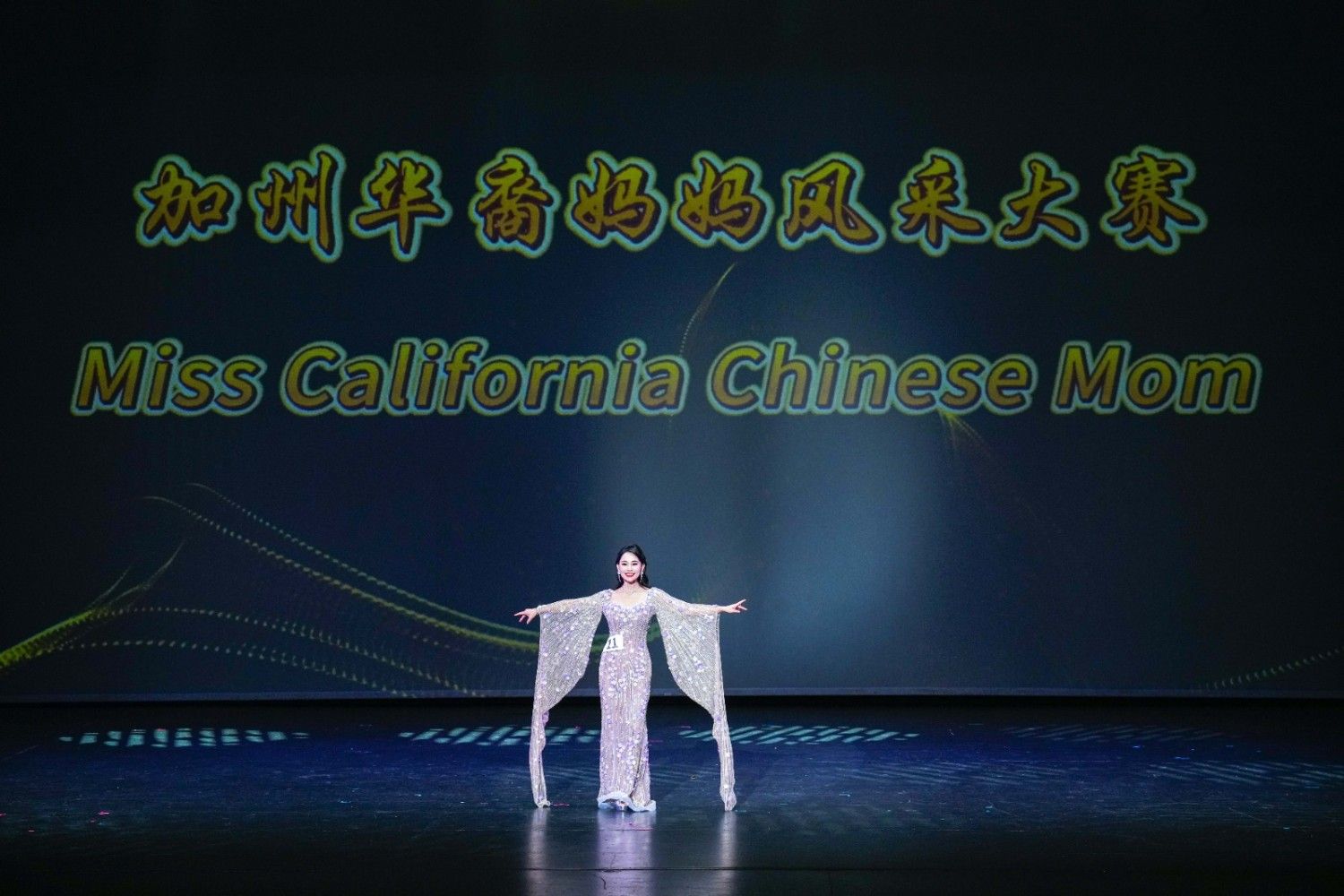
It was a reminder that leadership, at its highest level, is not simply about commanding industries. It is about expanding possibilities for those who follow.
Ping Yan's story challenges one of business's oldest assumptions—that greatness must announce itself loudly to be recognized.
Some leaders dominate headlines.
Others shape markets, industries, and generations.
History tends to remember the latter.
The future belongs to leaders who embrace change with courage, lead with purpose, and empower others to thrive.
For Ping Yan, the journey has never been about building a successful business.
It has always been about building people.