Leading with Purpose: Nozizwe’s Inspiring Journey from Compassion to Global Humanitarian Impact
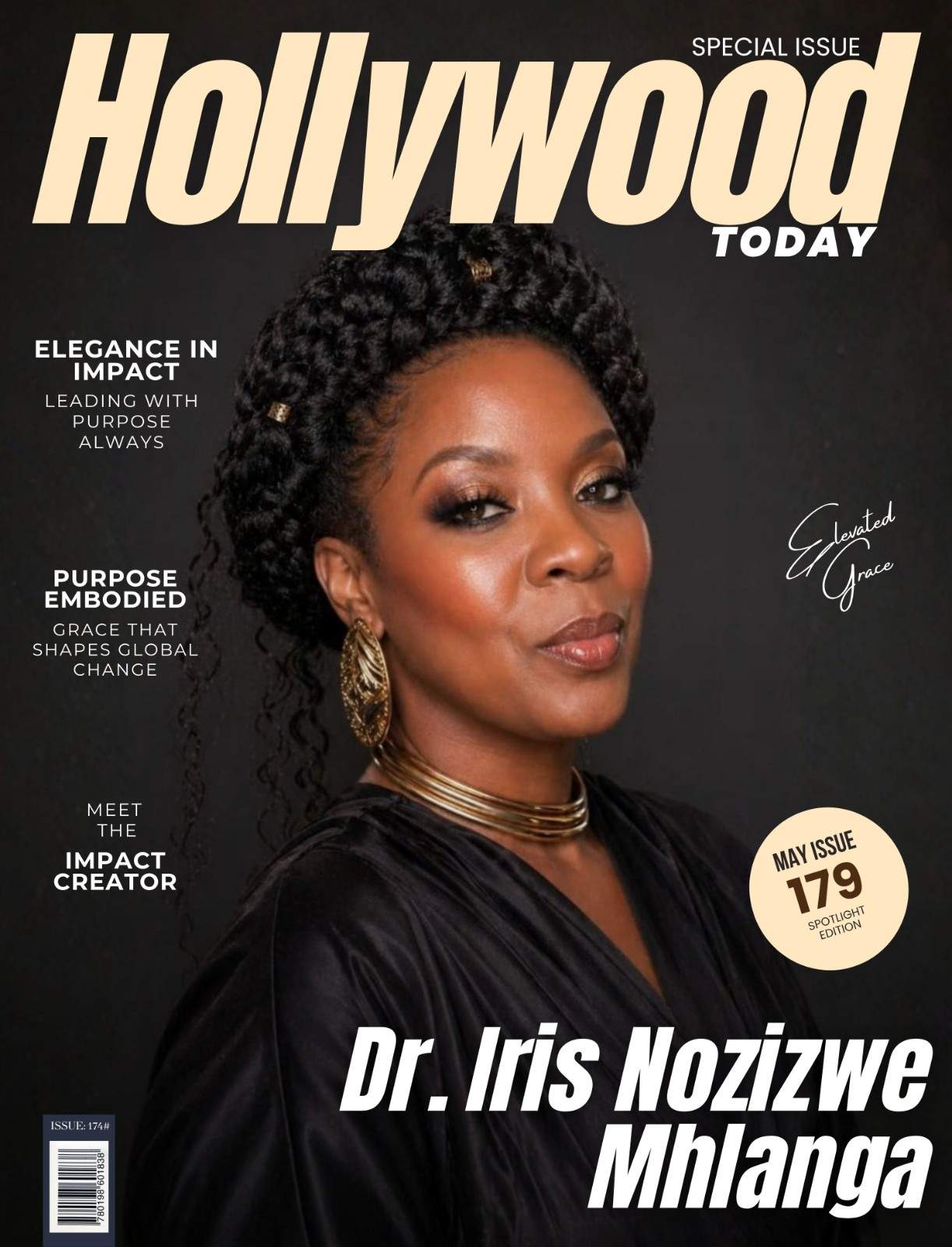
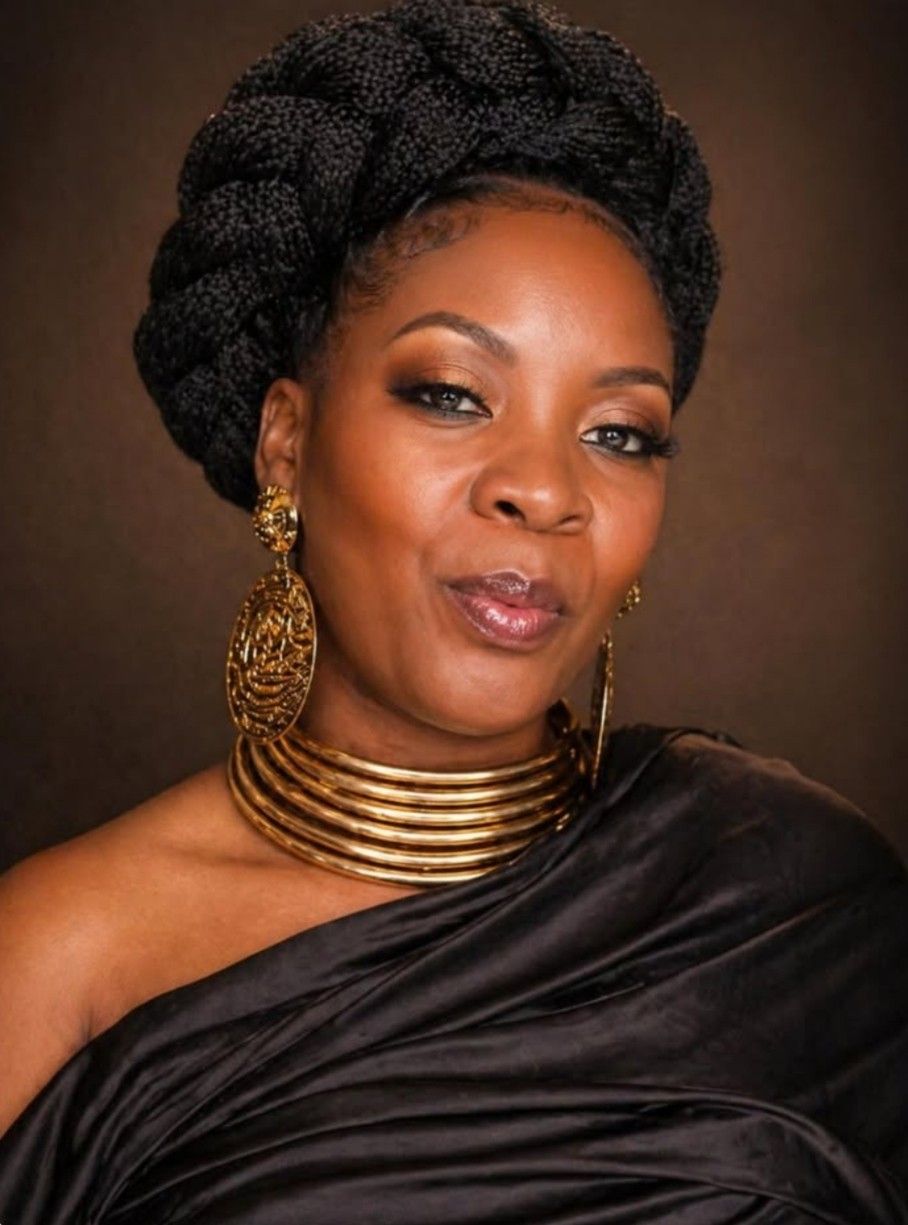
Nozizwe’s journey is not defined by titles, but by impact. As the founder of the Mother of Nations Trust, she has transformed compassion into action—building systems of care, restoring dignity, and uplifting communities across borders. With a background in healthcare and a heart rooted in service, her work bridges science and humanity in a way few leaders achieve. In this exclusive conversation, Nozizwe shares the moments, mindset, and mission behind her growing global influence.
Q1. Your name, “Nozizwe,” meaning Mother of Nations, feels deeply aligned with your life’s work. At what moment did you realize this was not just a name, but your calling?
A.) I realized that “Nozizwe” was not just my name, but my calling, in the moments when I found myself standing in the gap for others—feeding children who were not my own, holding families together in their hardest seasons, and becoming a source of hope where there was none. It was never one grand moment, but a series of quiet, powerful encounters where purpose kept choosing me. That is when I understood—I was not just living my life, I was living my name.
Q2. You often speak about choosing purpose over convenience. Can you share a defining moment where that choice changed the trajectory of your journey?
A.) A defining moment was when I chose to begin the work with what I had, not what I wished for. There were days when resources were scarce, when walking away would have been easier, but I chose to show up anyway—to feed one child, to help one family, to start where I stood. That decision shifted everything. It moved me from waiting to acting, from comfort to calling. In choosing purpose over convenience, I didn’t just change my path—I stepped fully into who I was meant to become.
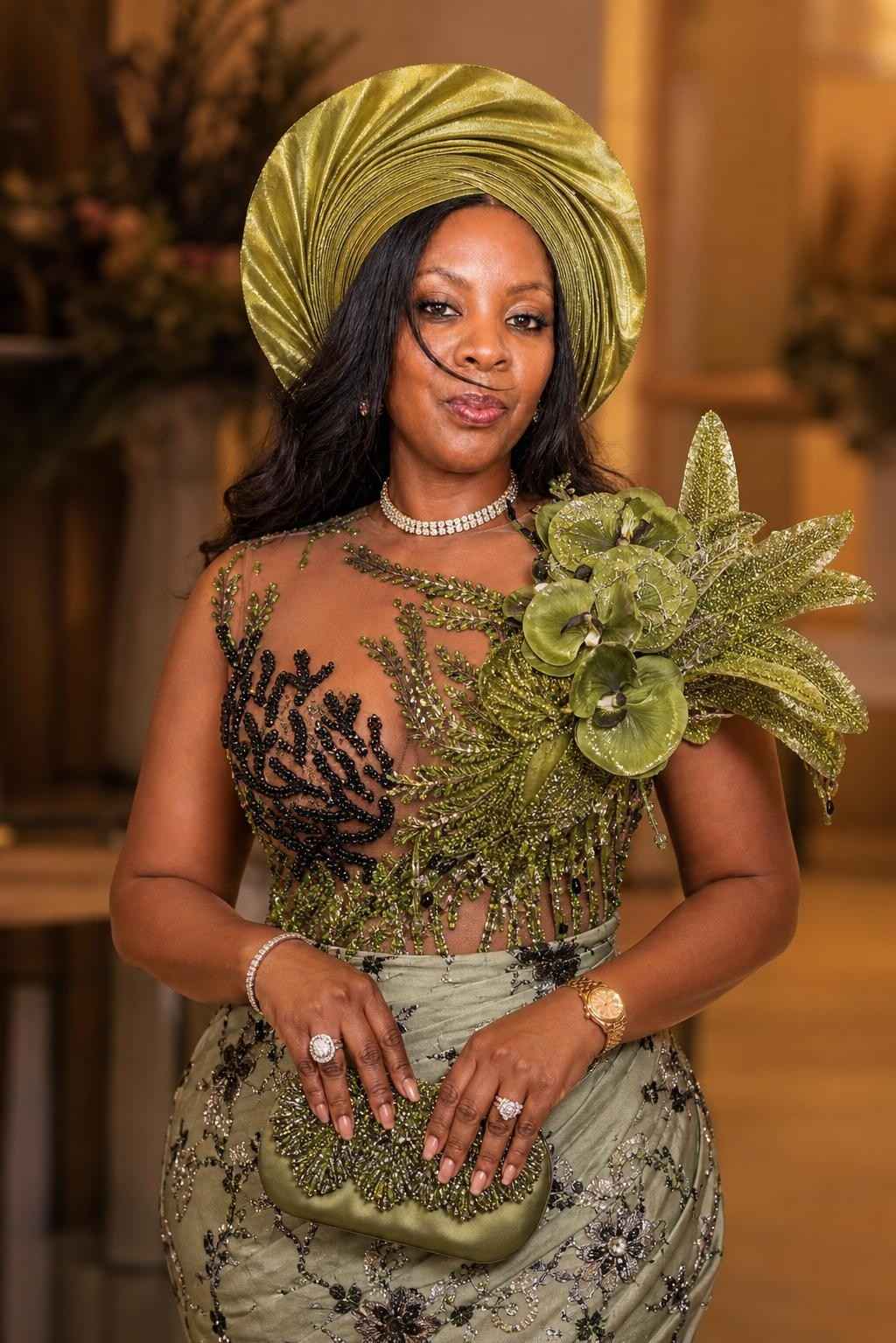
Q3. Your leadership is rooted in both compassion and structure. How did you transform simple acts of kindness into the impactful institution that is the Nozizwe Mother of Nations Trust?
A.) I began by treating every act of kindness as something that deserved consistency, dignity, and intention. Feeding one child was never just a moment—it became a commitment. I started documenting needs, building relationships within communities, and creating simple systems to ensure that help was not once-off, but sustained. As the needs grew, so did the structure—partnerships were formed, programs were defined, and accountability became key. What started as compassion evolved into a mission with clear purpose and strategy. That is how simple acts of kindness were transformed into the Nozizwe Mother of Nations Trust—an institution built not just on heart, but on responsibility, consistency, and impact.
Q4. Having worked closely with vulnerable communities, what has been the most profound lesson humanity has taught you?
A.) The most profound lesson humanity has taught me is that dignity matters just as much as survival. People are not just in need of food or shelter—they are in need of being seen, heard, and valued. I have learned that even in the hardest circumstances, there is strength, resilience, and quiet hope. And sometimes, the greatest impact is not just in what you give, but in how you make someone feel—respected, remembered, and worthy.
Q5. Your background in healthcare and pharmacology uniquely shapes your humanitarian work. How does science influence the way you approach service and care?
A.) My background in healthcare and pharmacology taught me that care must be both compassionate and precise. Science trained me to look beyond the surface—to understand root causes, not just symptoms. That mindset shapes how I serve: I don’t just respond to immediate needs, I design solutions that are sustainable, safe, and impactful. Whether it’s nutrition, clean water, or community health, I approach it with structure, evidence, and accountability. For me, science ensures that compassion is not just felt—it is effective, measurable, and truly life-changing.
Q6. In a world where charity is often transactional, you advocate for dignity-centered philanthropy. What needs to change globally in how we define and practice giving?
A.) What needs to change is the mindset—we must move from transactional charity to transformational impact. Giving should not be about numbers, visibility, or temporary relief; it should be about restoring dignity, creating opportunity, and building long-term change. Too often, people are treated as recipients rather than partners in their own growth. We need to listen more, involve communities in solutions, and give in ways that empower, not create dependency. True philanthropy is not measured by how much we give, but by how deeply we respect the humanity of those we serve and how sustainably we help change their circumstances.
Q7. As a global voice for women’s leadership, what are the biggest barriers women still face today, and how can the next generation rise beyond them?
A.) The biggest barriers women still face are not just external—they are structural, cultural, and deeply internalized. From unequal access to opportunities and resources, to societal expectations that limit how women should lead, many are still navigating systems not designed for them. There is also the quiet barrier of self-doubt, where women shrink themselves to fit into spaces instead of owning them.
For the next generation to rise beyond this, they must first know their worth—fully and unapologetically. They must seek knowledge, build strong networks, and support one another instead of competing. We also need to create and demand spaces where women are not just included, but heard and valued. True progress will come when women stop waiting for permission and start walking boldly in purpose, knowing that their voice, their presence, and their leadership are not optional—they are necessary.
Q8. You have received numerous international recognitions, yet remain deeply grounded. How do you stay connected to your purpose amidst global acclaim?
A.) I stay connected to my purpose by never forgetting why I started. The work on the ground—the faces, the stories, the real needs of people—is what anchors me. Awards and recognition are meaningful, but they are not the mission; they are reminders of the responsibility I carry.
I make it a point to remain present in the communities we serve, to listen, to show up, and to stay accountable. I also stay rooted in gratitude and faith, constantly reminding myself that this work is bigger than me. That perspective keeps me grounded—because no matter how far I go, my purpose will always be found in serving others with humility, consistency, and heart.
Q9. Your vision of creating a halfway house for young women is incredibly impactful. What inspired this initiative, and what long-term change do you hope it will create?
A.) The vision for a halfway house for young women was inspired by the many stories I have encountered—young women standing at the edge of possibility, yet lacking safe spaces, guidance, and support to rebuild their lives. I saw the gap between survival and stability, and I knew there had to be something more intentional to help them transition into independence with dignity.
I am building up to this vision step by step. Along the journey, I have already built two classroom blocks, a home for a vulnerable family, and installed solar power in children’s homes and schools. Each of these milestones is part of a greater foundation—creating sustainable, safe environments where lives can truly change.
The long-term impact I hope to see is not just shelter, but transformation—young women equipped with skills, confidence, and a renewed sense of self-worth. A place where they are not just housed, but healed, empowered, and prepared to step into their futures with strength and purpose.
Q10. When history reflects on your legacy decades from now, what do you hope the world will say about the life and impact of Nozizwe?
A.) When history reflects on my legacy, I hope it will not speak of fame, but of impact. I was named after someone who lived this calling before me—she healed hearts, cared for the sick and the broken, and fed communities with compassion. My late father, in his own way, also helped people, and that spirit of service lives on in me.
I hope the world will say that I continued that legacy—that I loved deeply, served selflessly, and restored dignity wherever I could. That I chose purpose over recognition, and built something that outlived me. Because I do not desire to be famous—I desire to create a legacy that echoes through generations, where lives are changed, hope is restored, and humanity is always at the center.