
Inside Dr. Ko-Cheng Fang’s Vision for LongServing Technology’s Quantum Era
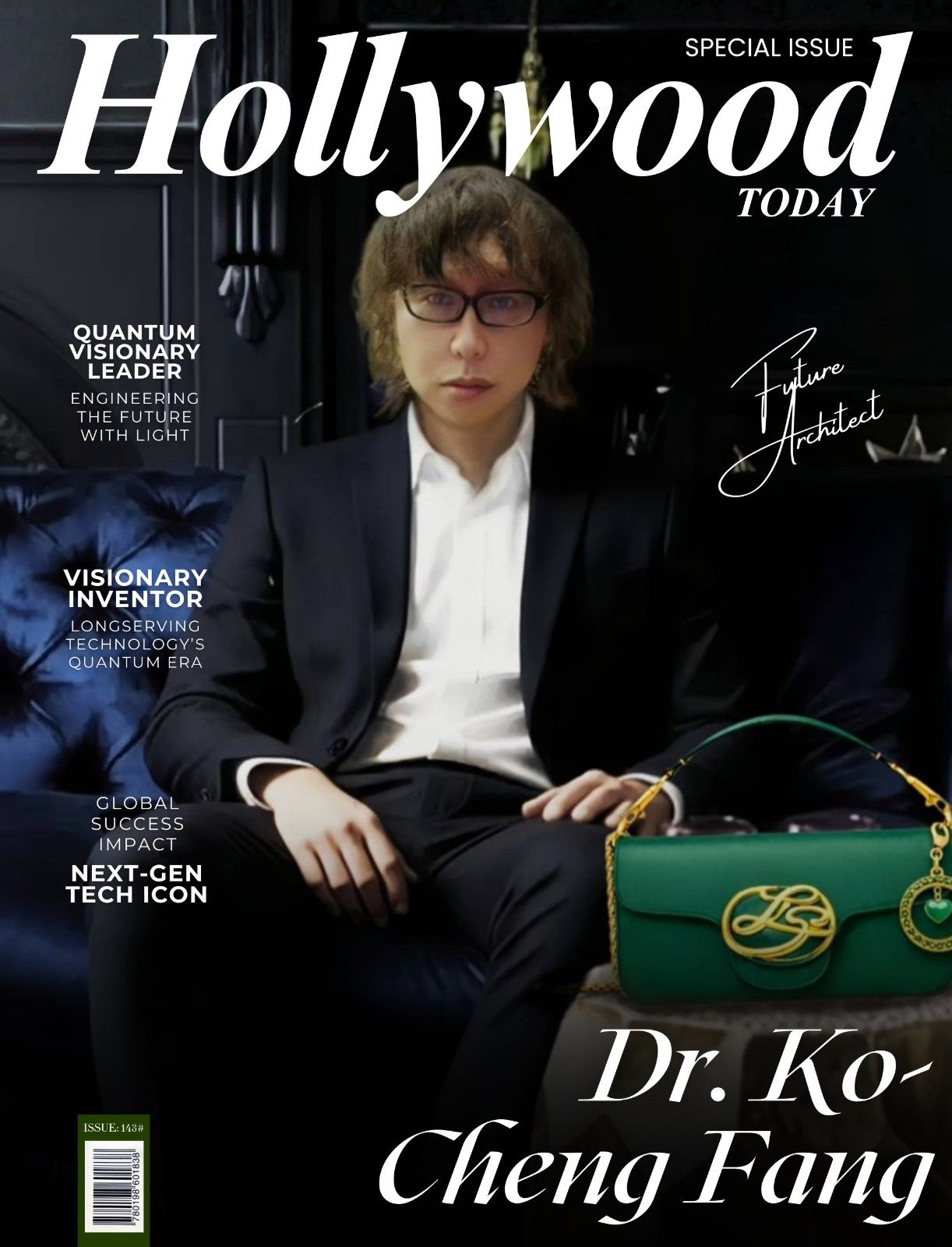
In an age defined by incremental innovation, Dr. Ko-Cheng Fang stands apart as a founder who refuses to think small. As the inventor, Founder and CEO of LongServing Technology Co., Ltd, he is not merely building products—he is engineering what he believes will become the technological backbone of the next several centuries.
For Dr. Fang, work has never been obligation. It has always been passion. He often speaks of the thin line between genius and madness, drawing parallels to figures like Bill Gates, who once built computers in a garage while the world watched skeptically. To Fang, discomfort is not a deterrent—it is a prerequisite. “If you endure the hardship,” he has said, “the result becomes sweet.”

That mindset defined his pursuit of laboratory-grown imperial green jadeite—an endeavor many considered impossible. With no blueprint to follow and technological giants standing like mountains in his path, he persisted through tens of thousands of failed experiments. The result was not just replication, but reinvention. His jadeite, formed under temperatures exceeding 1,400 degrees Celsius, now anchors LongServing’s entry into the global luxury market, including its 2026 launch of handcrafted jade handbags—where advanced materials science meets high art.
But jade was only the beginning.
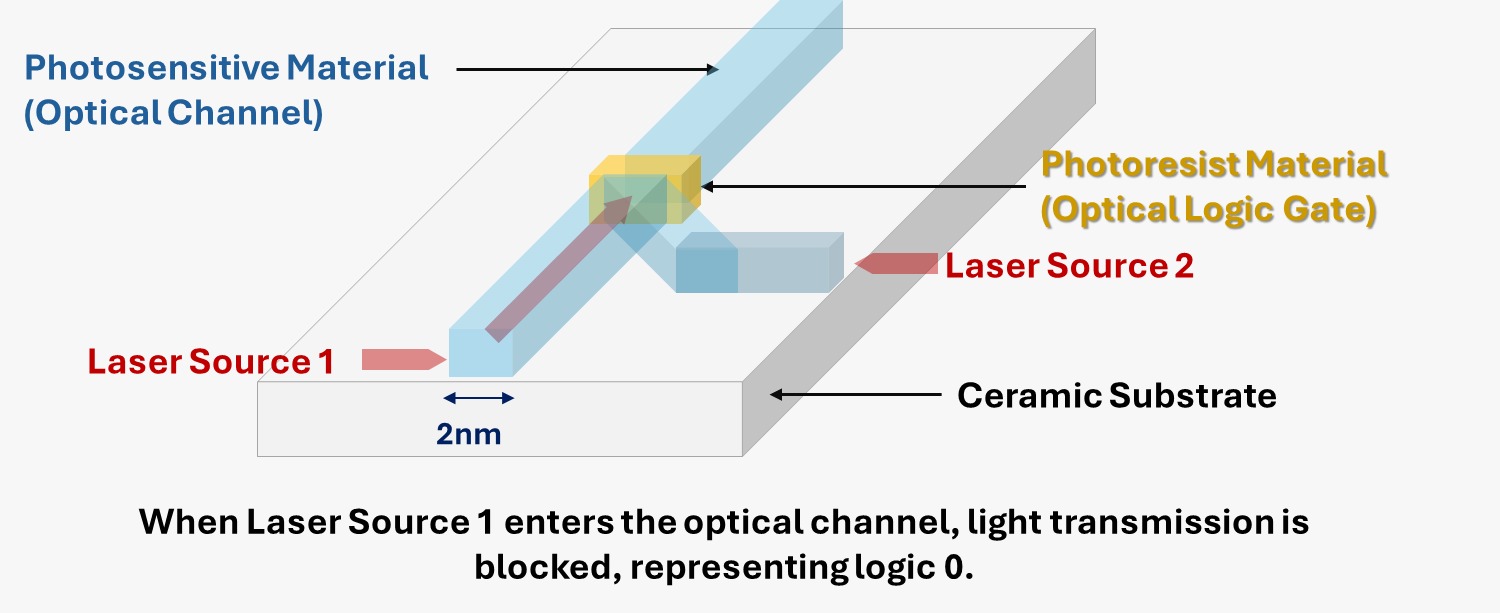
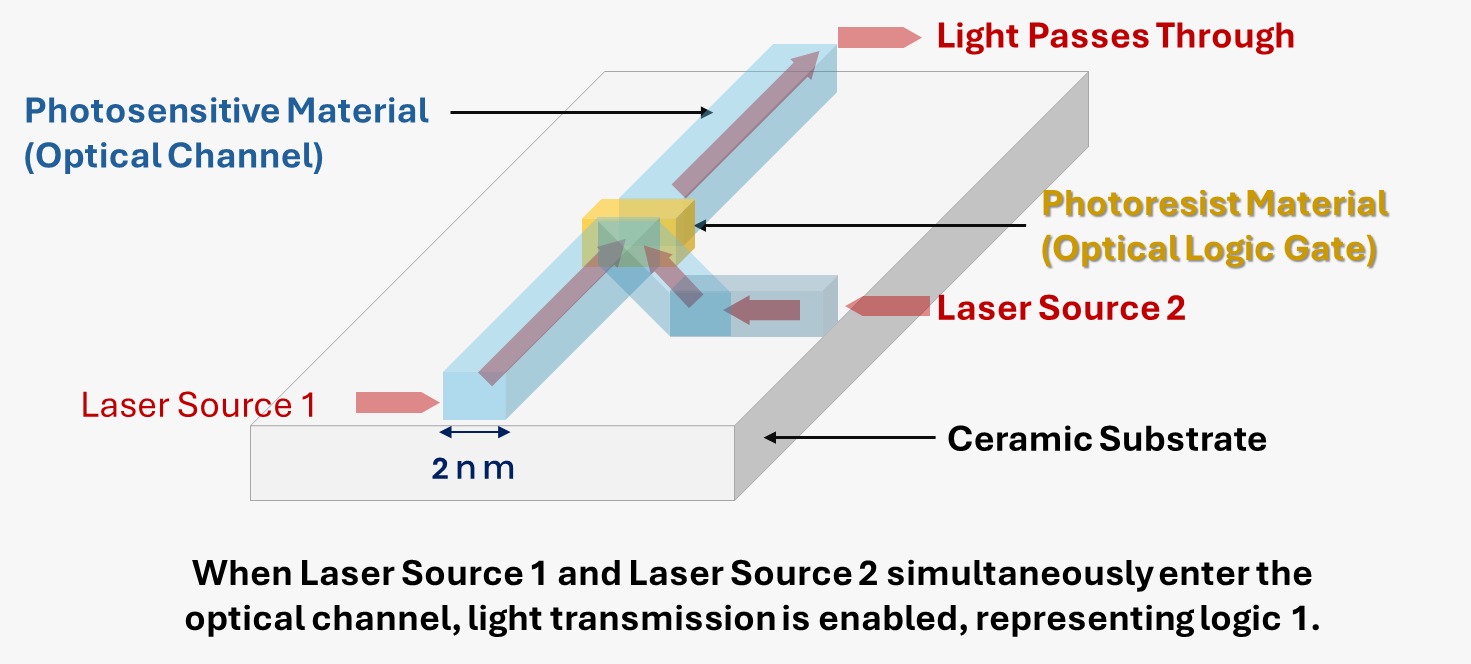
At the heart of Dr. Fang’s legacy lies a breakthrough he believes will redefine civilization: 2-nanometer “X-Photon” materials for photonic quantum chips. As artificial intelligence accelerates and electronic semiconductors approach their physical limits, global data centers consume energy at unprecedented scale. Fang saw the ceiling before many others did. Where the industry pushed electrons to smaller nodes—2 nanometers, 1.6 nanometers—he asked a more radical question: What if computation moved at the speed of light?

His answer is photonic quantum architecture.
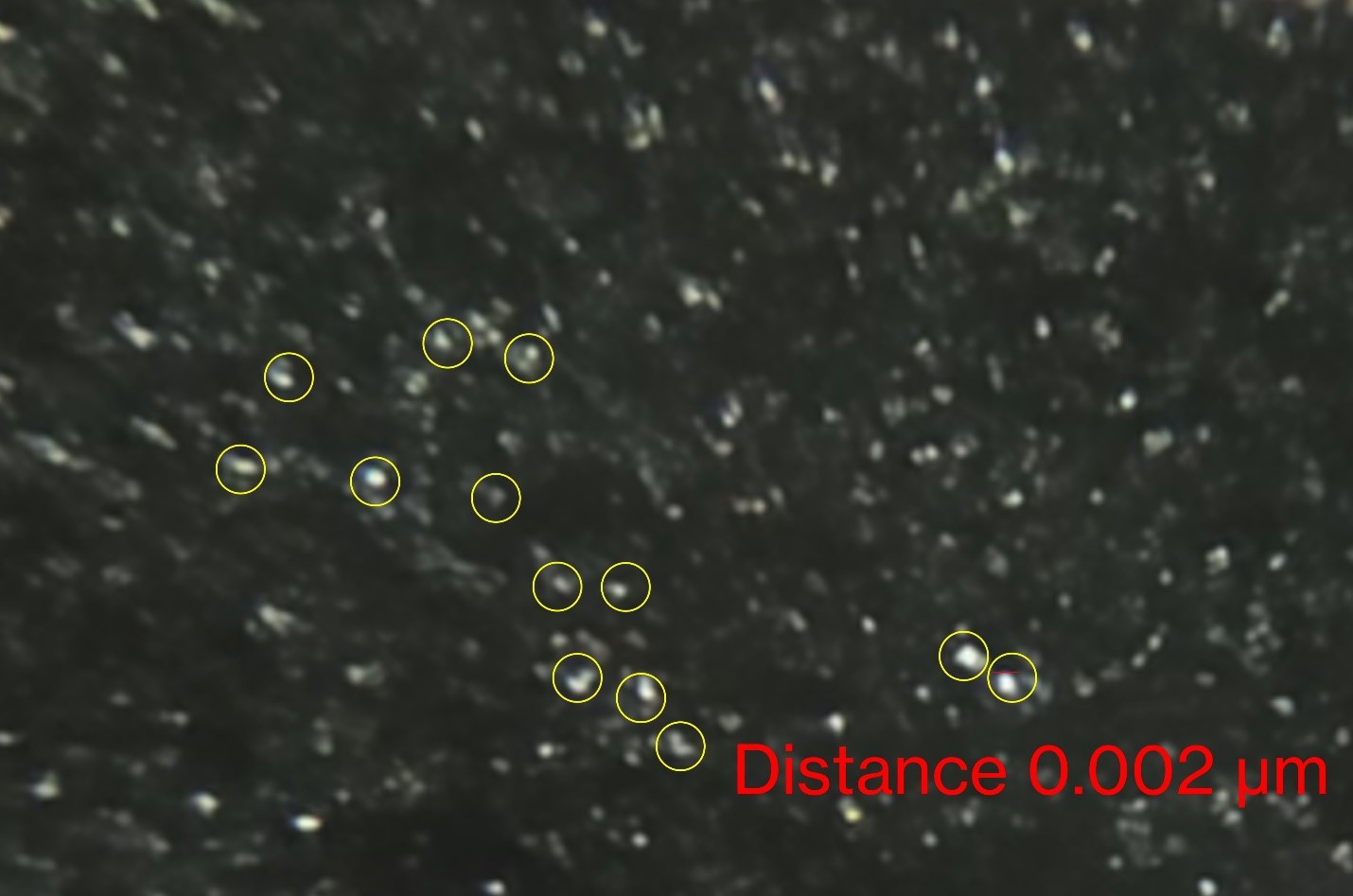
By engineering nanoscale photonic pathways capable of transmitting quasi–X-ray short wavelengths, Fang’s team has demonstrated materials validated through Raman spectroscopy and X-ray diffraction testing. Patent protections now span 26 major semiconductor manufacturing nations, including the United States and the European Union. In practical terms, photonic quantum chips promise computing speeds more than 1,000 times faster than traditional electronic chips, while dramatically reducing energy consumption and cooling demands.
If realized at scale, the implications extend far beyond AI processors. They touch climate policy, energy security, robotics, autonomous mobility, and national competitiveness. Fang frames the transition not as a commercial race, but as a global responsibility. In his view, inventing photonic quantum chips is essential to reducing carbon emissions tied to semiconductor manufacturing and hyperscale data infrastructure.
Yet what makes Dr. Fang uniquely compelling is the unlikely fusion at the core of his identity: scientist and artist.
He began painting at age eight, studying both traditional Chinese brushwork and Western oil techniques. Sculptural thinking—subtracting the unnecessary to reveal form—became his management philosophy. Ninety-nine failures for one success is not discouragement; it is refinement. He applies artistic logic to scientific experimentation, eliminating what does not work and preserving what does.
LongServing Technology itself reflects this hybrid DNA. Beyond quantum chips and advanced nanomaterials, the company invests in bioactive plant compounds for oncology research, environmentally safe semiconductor alternatives, encryption technologies, and cloud-based systems. Fang previously contributed programmable encryption innovations adopted for U.S. counter-terrorism applications—without licensing fees—underscoring a philosophy that meaningful innovation must serve humanity first.
Recognition as one of 2026’s most iconic personalities does not, in his view, symbolize status. It signifies obligation. He measures success not by headlines, but by adoption—by whether technologies move from theory into daily life. Today, he is inviting global semiconductor foundries, research institutions, and investors to help scale photonic quantum production, positioning Taiwan not just as a semiconductor island, but as the birthplace of a new computing epoch.
In a decade that will test humanity’s relationship with automation and intelligence, Dr. Ko-Cheng Fang is betting on light itself as the next engine of civilization. If history favors those willing to endure “productive madness,” he may well be remembered not only as a founder, but as the architect of the photonic age.
Instagram: https://www.instagram.com/ko_cheng_fang_david
Official Website: https://www.longserving.com.tw/en/