
Giuseppe Cucè: The Sicilian Auteur Redefining Modern Songwriting Through Cinematic Emotion
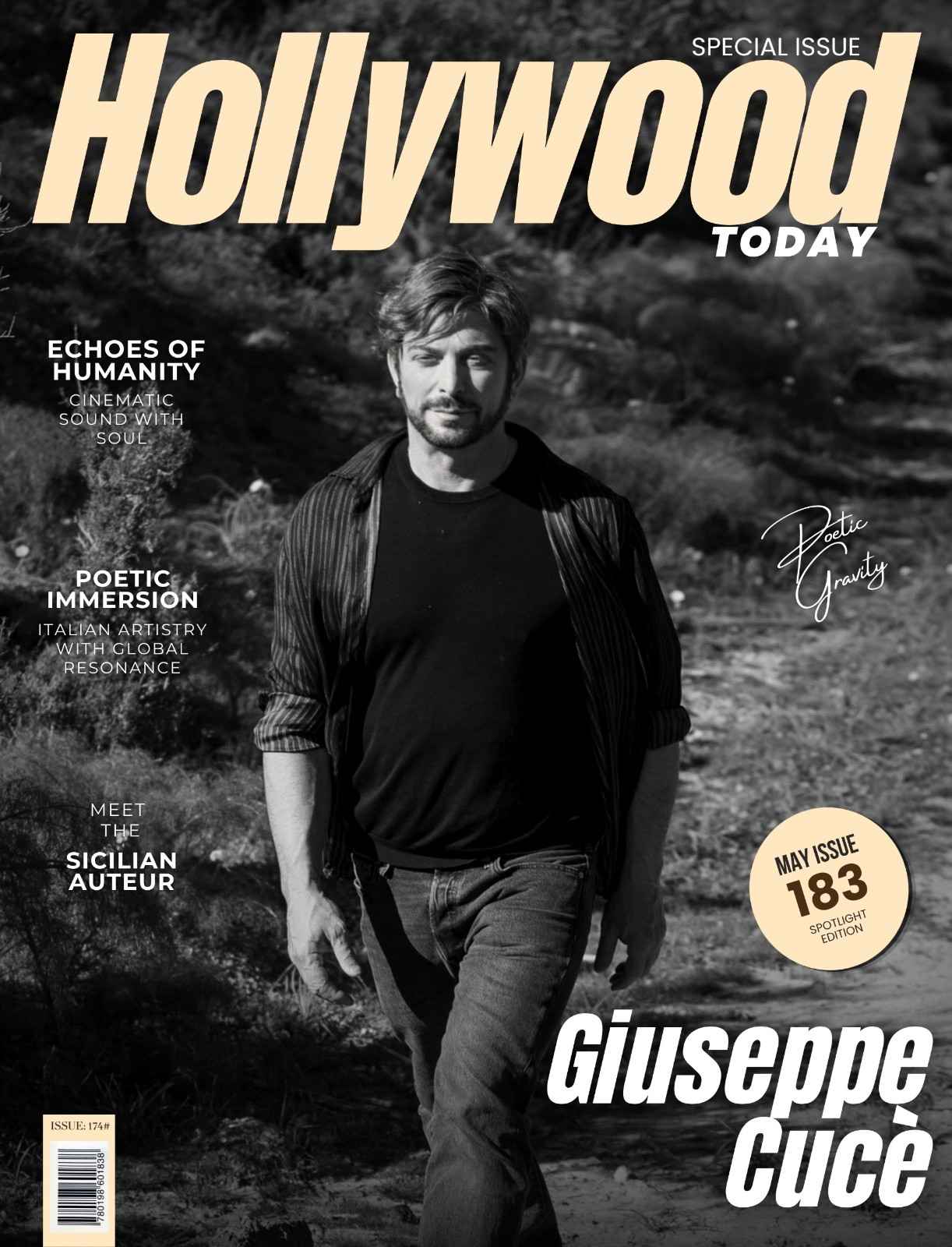
In an age where music is increasingly engineered for immediacy — compressed into fleeting hooks, viral fragments, and algorithmic repetition — few artists still approach songwriting as an enduring artistic language. Fewer still possess the discipline, aesthetic clarity, and emotional intelligence required to transform music into something immersive and timeless. Giuseppe Cucè belongs unmistakably to that rare category.
The Sicilian singer-songwriter is not merely composing songs; he is constructing emotional worlds. His work exists beyond the conventions of contemporary pop consumption, operating instead within a cinematic dimension where sound, atmosphere, memory, and visual imagination merge into a singular artistic experience. Listening to Cucè feels less like hearing an album and more like entering a carefully framed European art film — intimate, textured, melancholic, and profoundly human.
At a moment when much of the modern music industry rewards speed over substance, Cucè has quietly emerged as one of the most compelling independent voices in contemporary European songwriting precisely because he resists those mechanisms. His artistry is rooted in patience, emotional precision, and craftsmanship. Every arrangement, lyrical pause, orchestral swell, and analog texture feels deliberate. Nothing exists for decoration alone; every element serves atmosphere and emotional truth.
Deeply influenced by Mediterranean sensibility and the tradition of Italian cantautorato, Cucè’s music carries the elegance of classic European songwriting while remaining unmistakably contemporary. It is this balance — between heritage and innovation, restraint and emotional intensity — that gives his work its unusual magnetism. His compositions do not seek instant gratification. They unfold gradually, revealing emotional layers with cinematic pacing and literary sophistication.
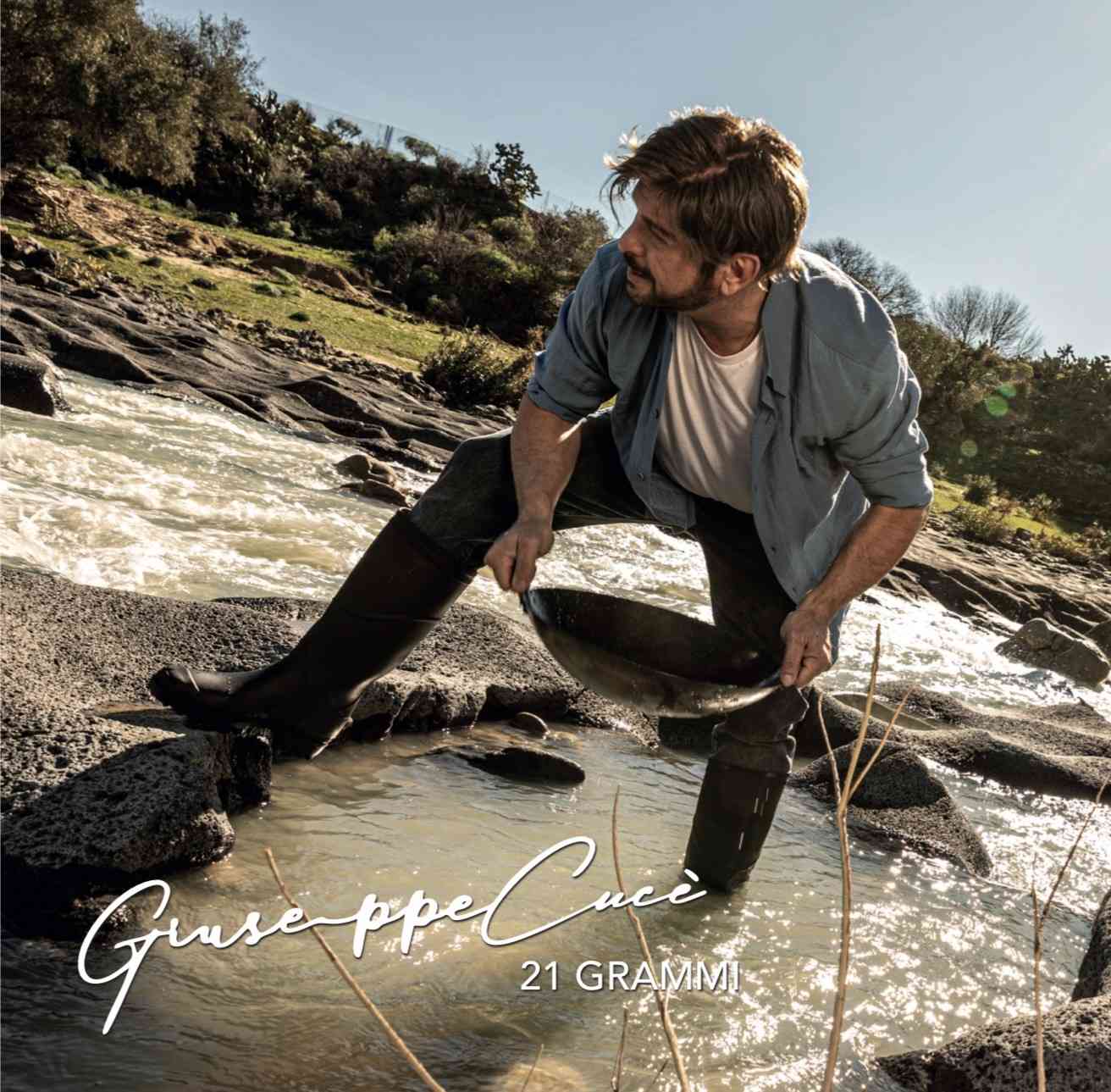
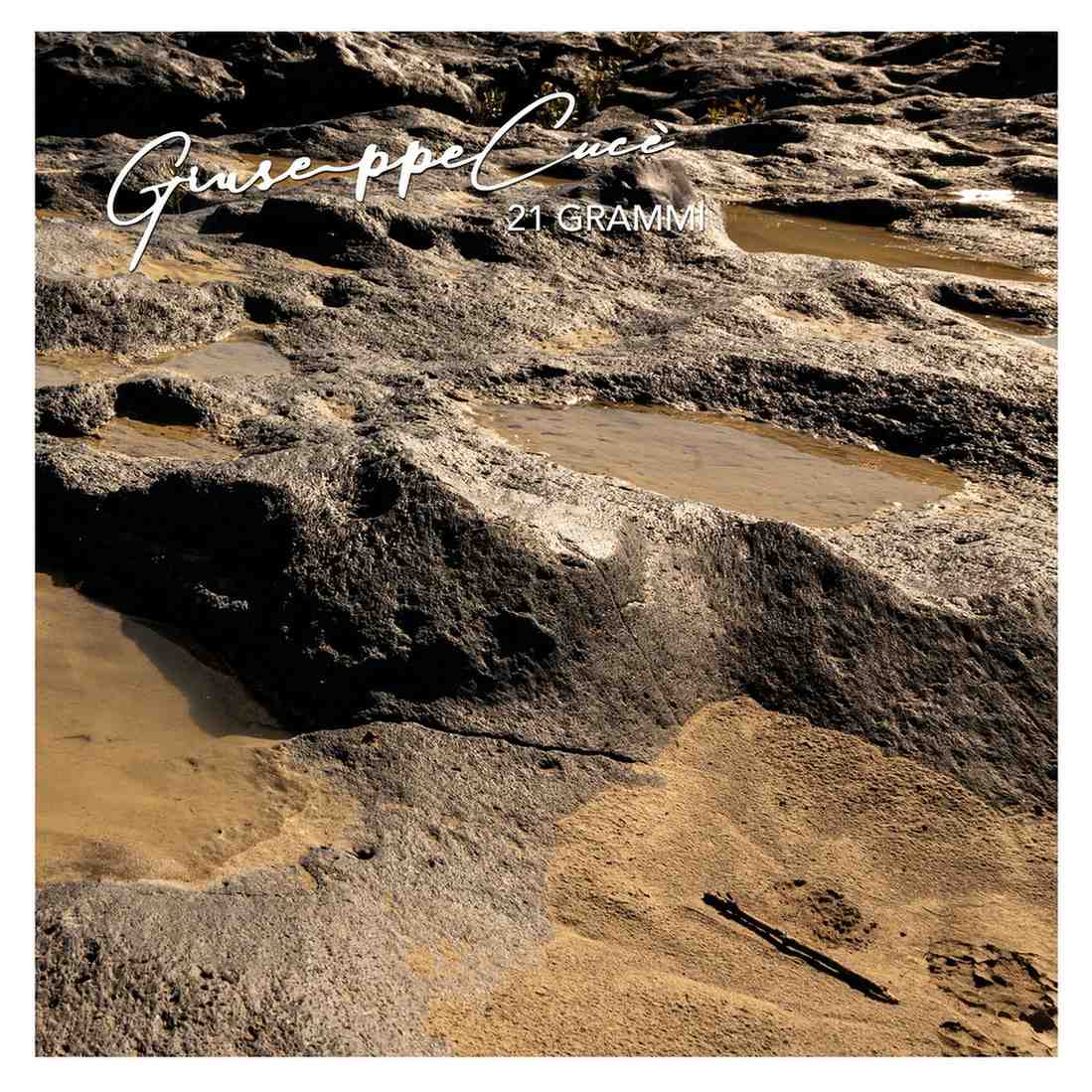
That artistic philosophy reaches its fullest expression in his critically celebrated concept album, 21 grammi. Inspired by the enduring myth that the human soul weighs twenty-one grams, the record transforms philosophical symbolism into an emotionally immersive body of work exploring identity, fragility, desire, memory, and spiritual transformation.
What distinguishes 21 grammi from many contemporary concept albums is its refusal to rely on theatrical excess or artificial grandeur. Cucè understands that true emotional power often resides in subtlety. The album breathes through silence as much as sound, through atmosphere as much as melody. Built largely around real instruments and orchestral arrangements, the project possesses an organic warmth increasingly absent from digitally saturated modern productions.

His voice — warm, restrained, and profoundly intimate — never attempts to dominate the listener. Instead, it invites proximity. There is vulnerability in his delivery, but also extraordinary control. Cucè avoids cliché without sacrificing accessibility, creating songs that feel poetic yet emotionally immediate. It is a rare achievement in contemporary songwriting: sophistication that never becomes distant.
Critics and cultural publications across Europe, the United States, and Latin America have increasingly recognized the singularity of his artistic vision. His work has been featured by major Italian media outlets including Sky TG24, RaiNews, and Il Giornale, alongside international editorial platforms such as Plastic Magazine, RockDafuqOut, ALT77, Mystic Sons, and Riptide Magazine.
Yet beyond critical recognition lies something even more compelling: coherence. Cucè approaches music not as isolated audio production, but as a multidisciplinary artistic language where sound, imagery, narrative, and visual atmosphere coexist seamlessly. His videos, aesthetic direction, and live performances extend the cinematic architecture already embedded within the music itself. The result is an artistic identity that recalls the great European auteurs more than traditional recording artists.
That cinematic sensibility has also shaped his live trajectory. Over the years, Cucè has performed in theaters and cultural venues across Italy and abroad, including appearances in Paris at the historic Petit Saint-Martin Theatre, where his emotionally immersive songwriting found resonance within one of Europe’s most culturally rich artistic environments. His participation in Plein Sud on Radio France Internationale further reinforced his connection to French and Mediterranean artistic culture — a connection deeply embedded within the emotional atmosphere of his work.
Perhaps most remarkable is the independence with which Cucè has built his artistic path. In a cultural landscape increasingly dominated by metrics, formulas, and digital acceleration, he has preserved an uncommon level of creative autonomy. That independence is audible in every detail of his productions. His music does not feel manufactured for market behavior; it feels authored. Crafted. Lived.
And this may ultimately explain why Giuseppe Cucè resonates so deeply with audiences searching for authenticity in contemporary art. He represents a return to artistic depth in an era where depth itself has become increasingly rare. His songs are not designed to disappear after a season. They linger. They haunt. They ask listeners not merely to hear music, but to inhabit emotion.
As international attention surrounding his work continues to expand, Cucè is no longer simply an emerging independent artist. He is steadily establishing himself as one of the defining cinematic voices of modern European songwriting — an artist capable of bridging classic Italian artistry with a global contemporary sensibility.
Some musicians create songs for the moment. Giuseppe Cucè creates emotional architecture.
And that distinction makes his artistry unforgettable.
Official Platforms
Instagram:
@giuseppecucemusic
Website:
Giuseppe Cucè Official Site
YouTube:
Giuseppe Cucè Official YouTube
Spotify:
Giuseppe Cucè on Spotify
Facebook:
Giuseppe Cucè Facebook