Ean Williams Prepares DC Fashion Week For Historic Season 45 Milestone In 2026
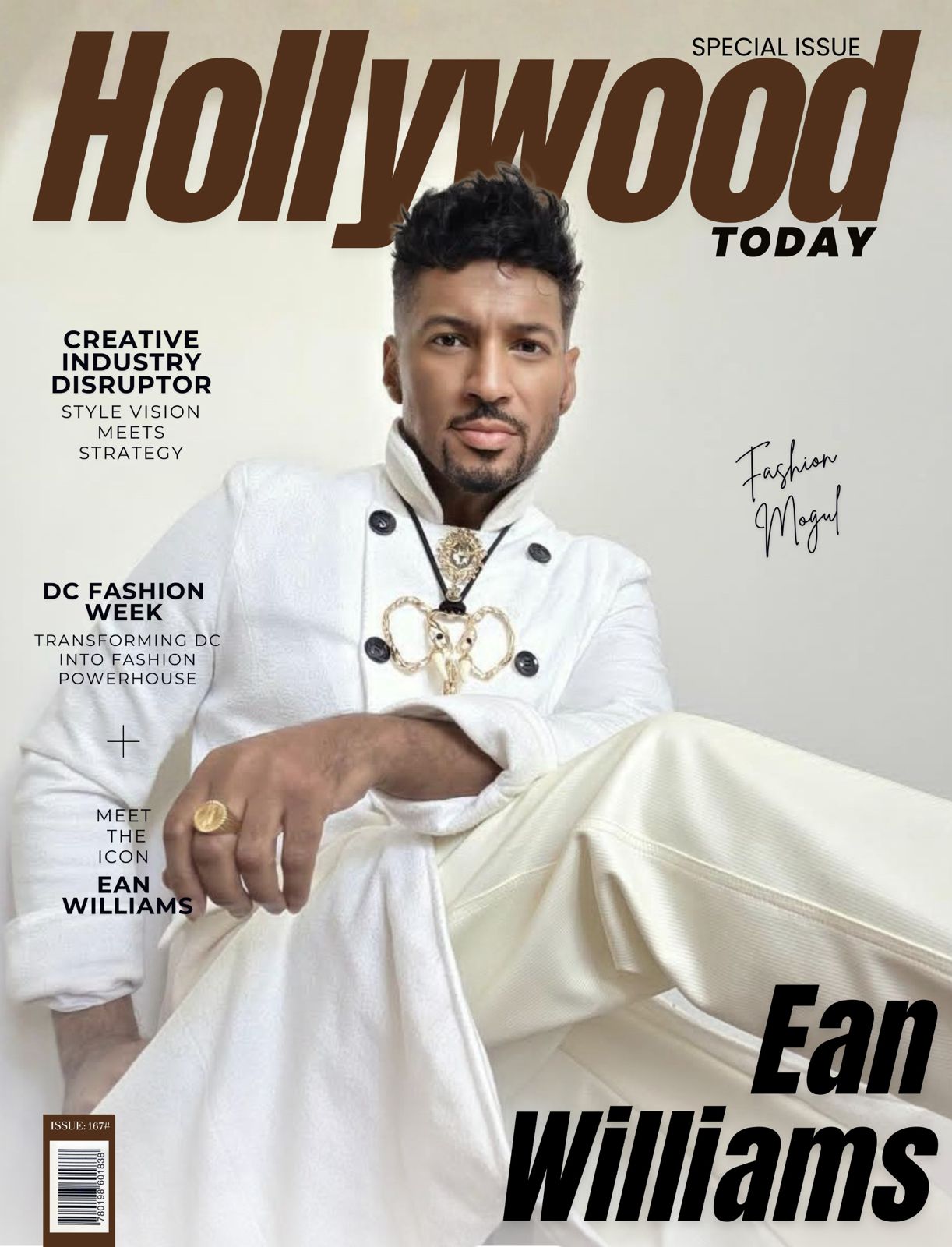
For decades, Washington, D.C. has been globally recognized as the epicenter of political influence. Yet quietly, almost against expectation, another kind of power has been taking shape in the nation’s capital—creative power. At the center of that shift stands Ean Williams, the founder and executive director of DC Fashion Week, a designer and entrepreneur whose vision has steadily transformed Washington into one of the most intriguing emerging platforms in American fashion.
When Williams launched DC Fashion Week in 2003, few imagined that the idea would grow into one of the country’s most recognized independent fashion platforms. At the time, the District had diplomats and policymakers, but it lacked a structured runway ecosystem where designers could showcase their work. Williams saw an opportunity where others saw a limitation: a city rich with global culture, international embassies, and creative voices waiting for a stage.
Two decades later, that vision has matured into a biannual fashion institution that attracts designers, creatives, and media from across the world. DC Fashion Week now functions as both a cultural showcase and an entrepreneurial platform, giving emerging designers access to a runway that would otherwise be out of reach in larger fashion capitals.
What distinguishes Williams from many fashion founders is the unlikely professional path that led him here. Before becoming a fashion industry leader, he served in the United States Air Force and later worked as a computer engineer connected to NASA’s Hubble Telescope operations. Those early experiences shaped his strategic mindset—combining discipline, precision, and long-term planning with creative ambition.
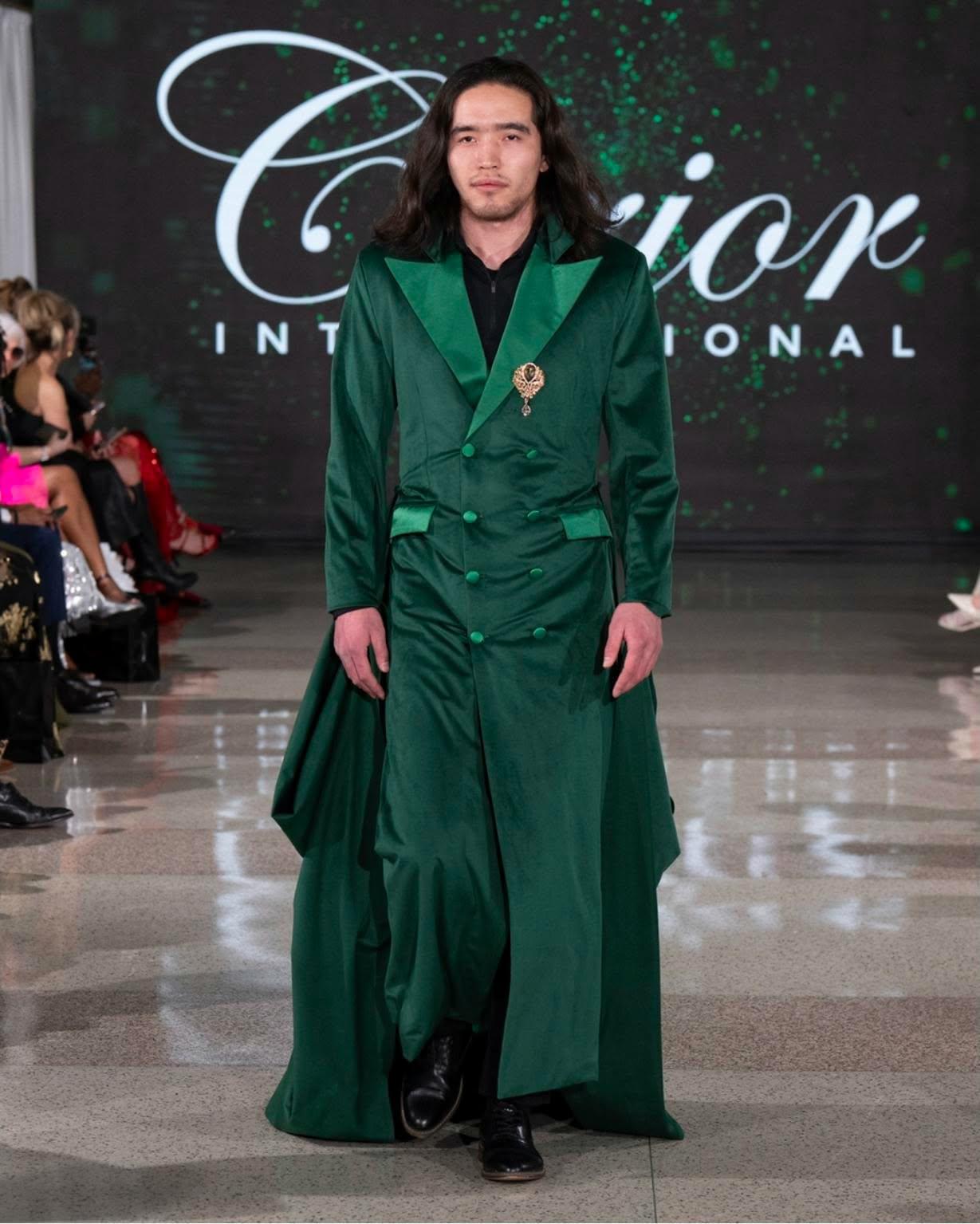
That dual perspective is visible in how he built DC Fashion Week. Rather than replicating the exclusivity of traditional fashion weeks, Williams structured his platform around accessibility and international collaboration. Designers from different countries regularly present their collections on the D.C. runway, reflecting the city’s uniquely global identity. The result is a fashion week that often feels less like a closed industry event and more like a cultural summit for global style.
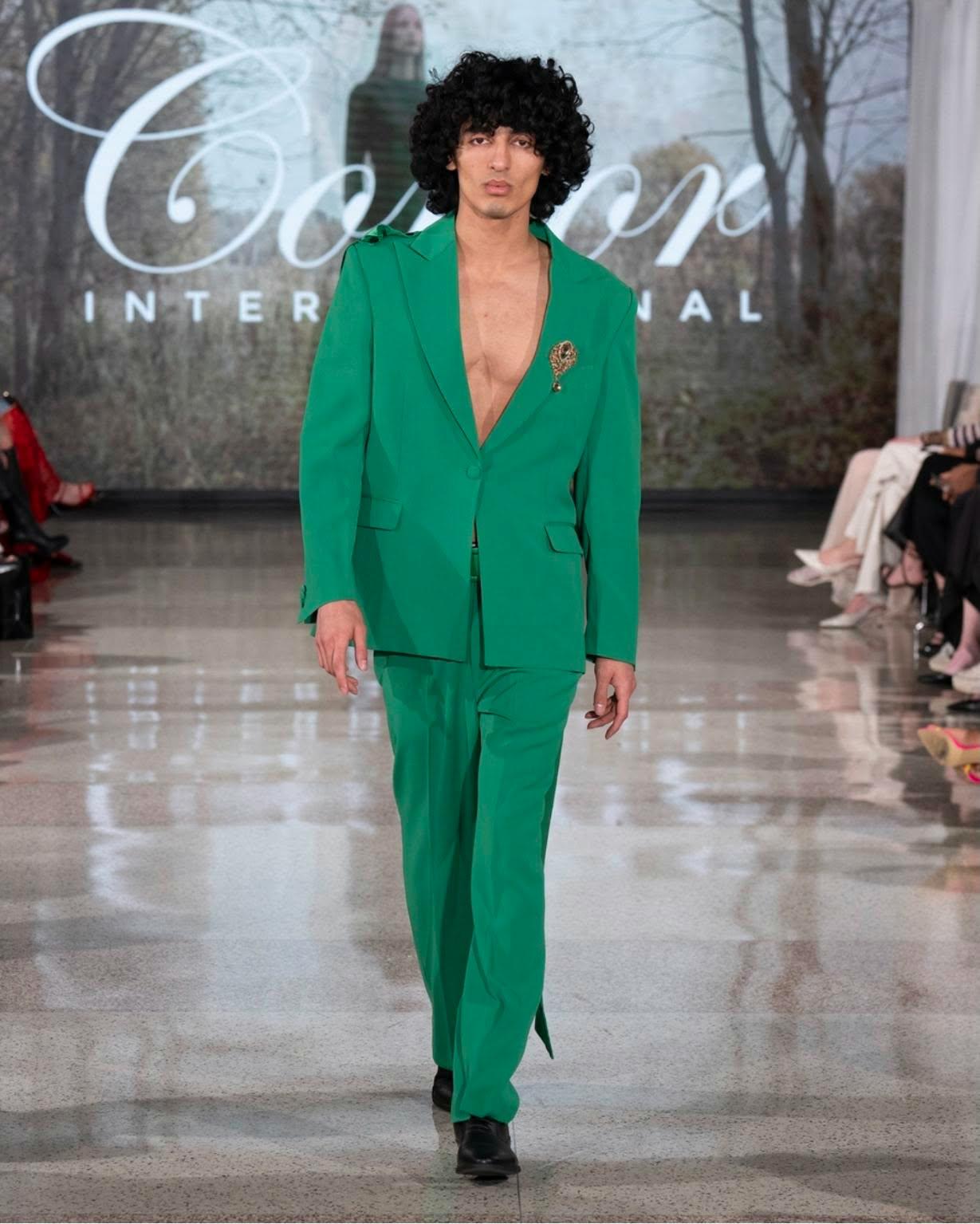
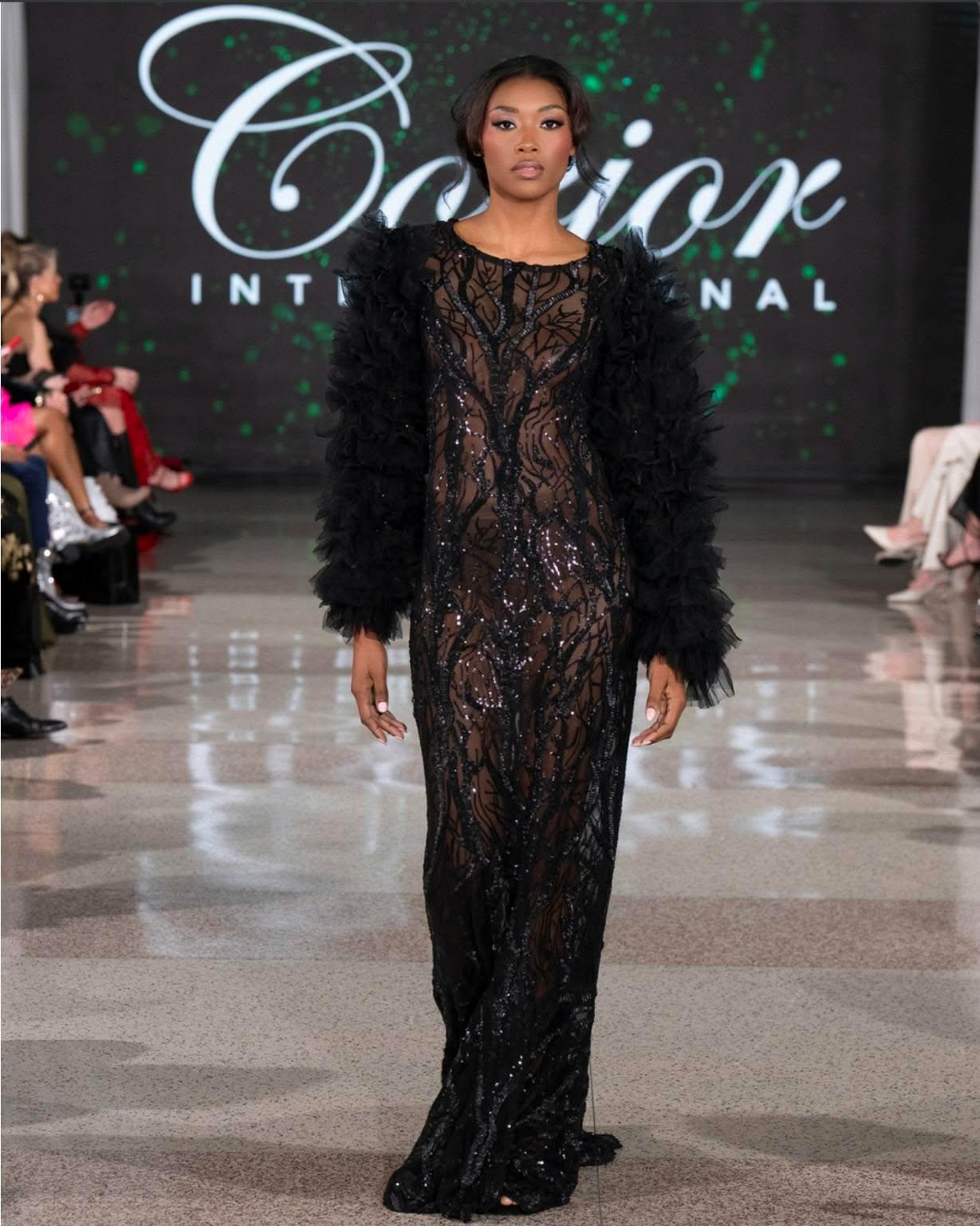
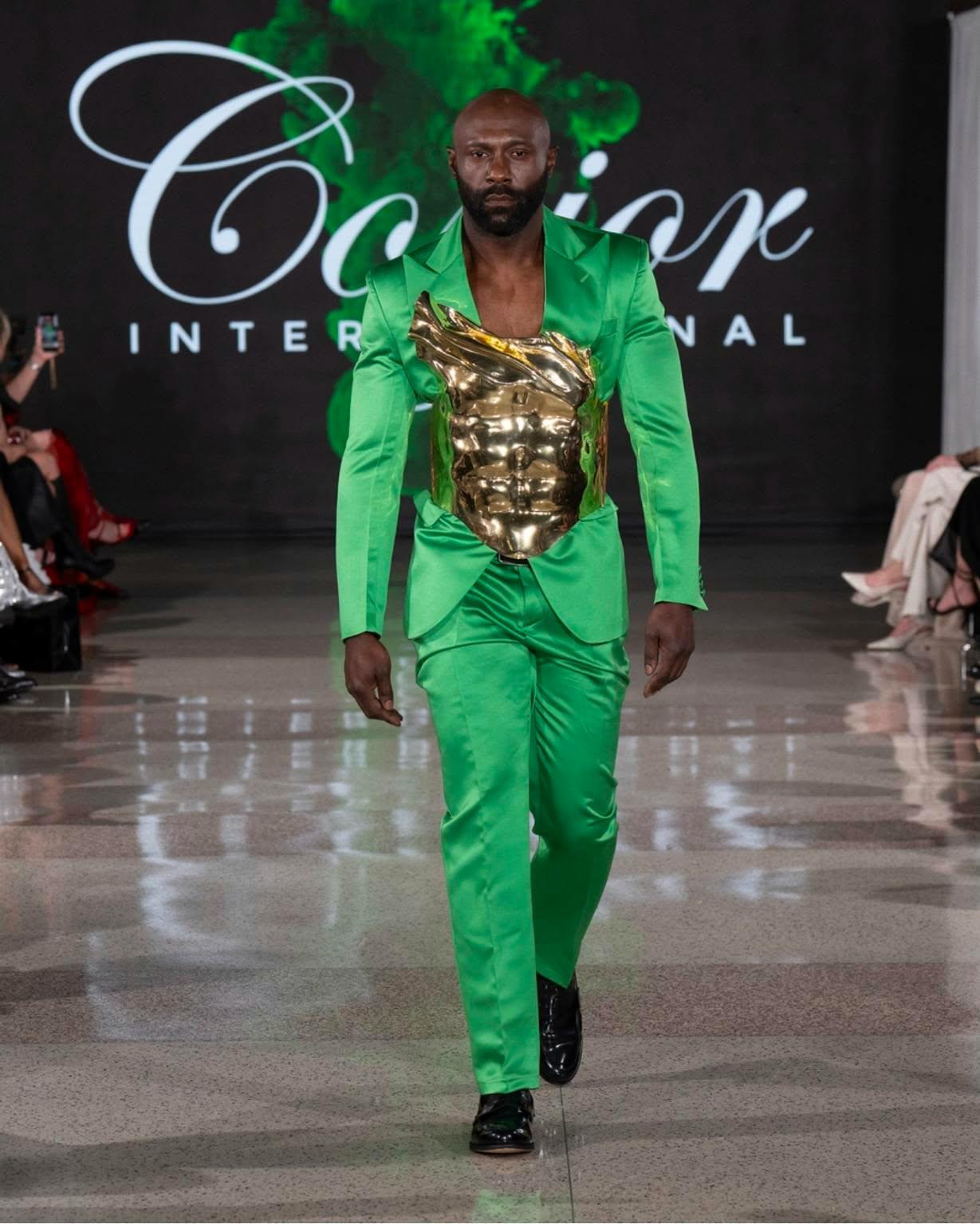
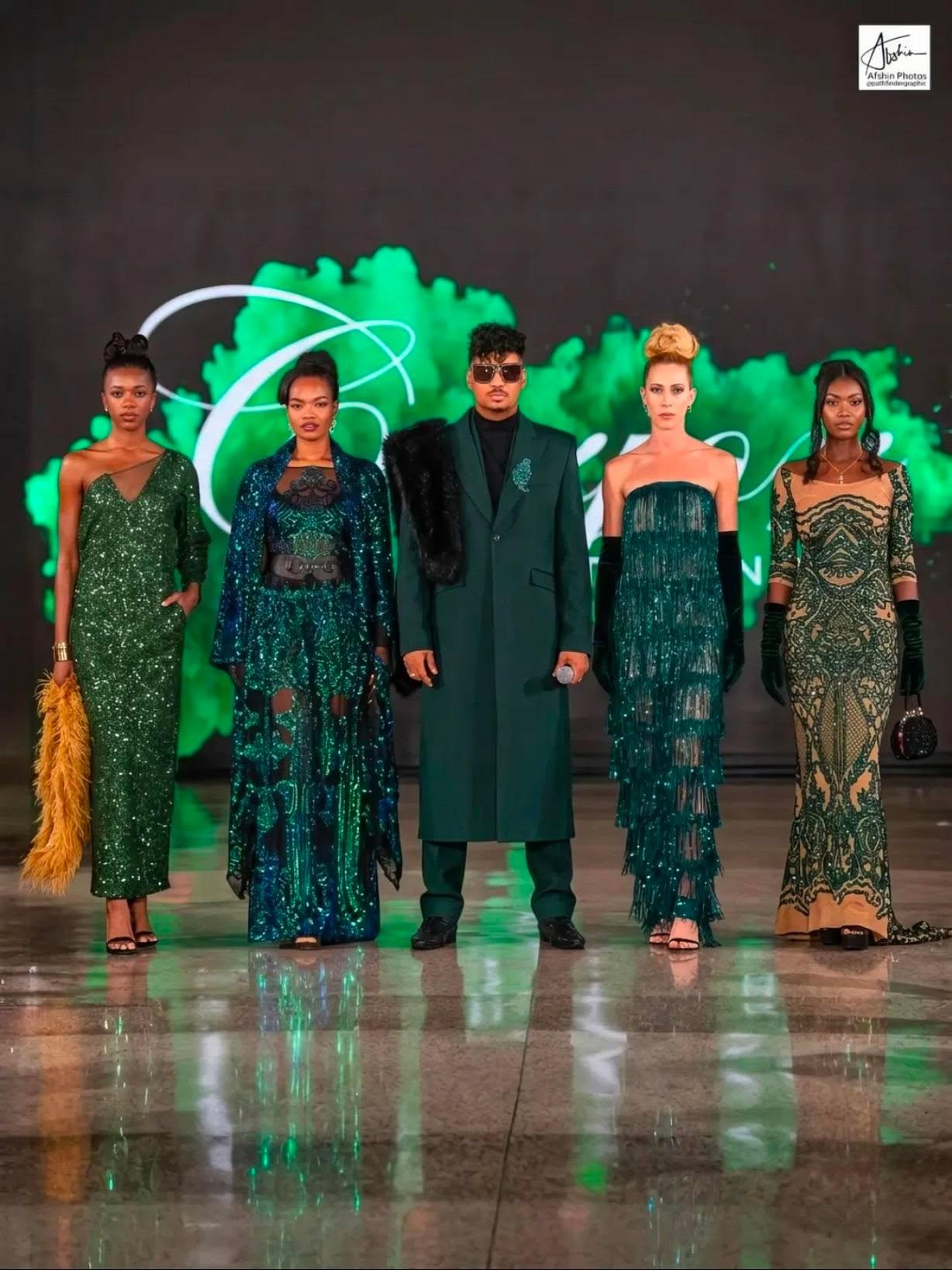
Williams is also the creative force behind Corjor International, a design house known for its refined tailoring and red-carpet aesthetics. The brand’s name itself reflects a deeply personal inspiration—derived from the names of his sons, Corey and Jordan—symbolizing Williams’ belief that fashion should be both legacy and expression.
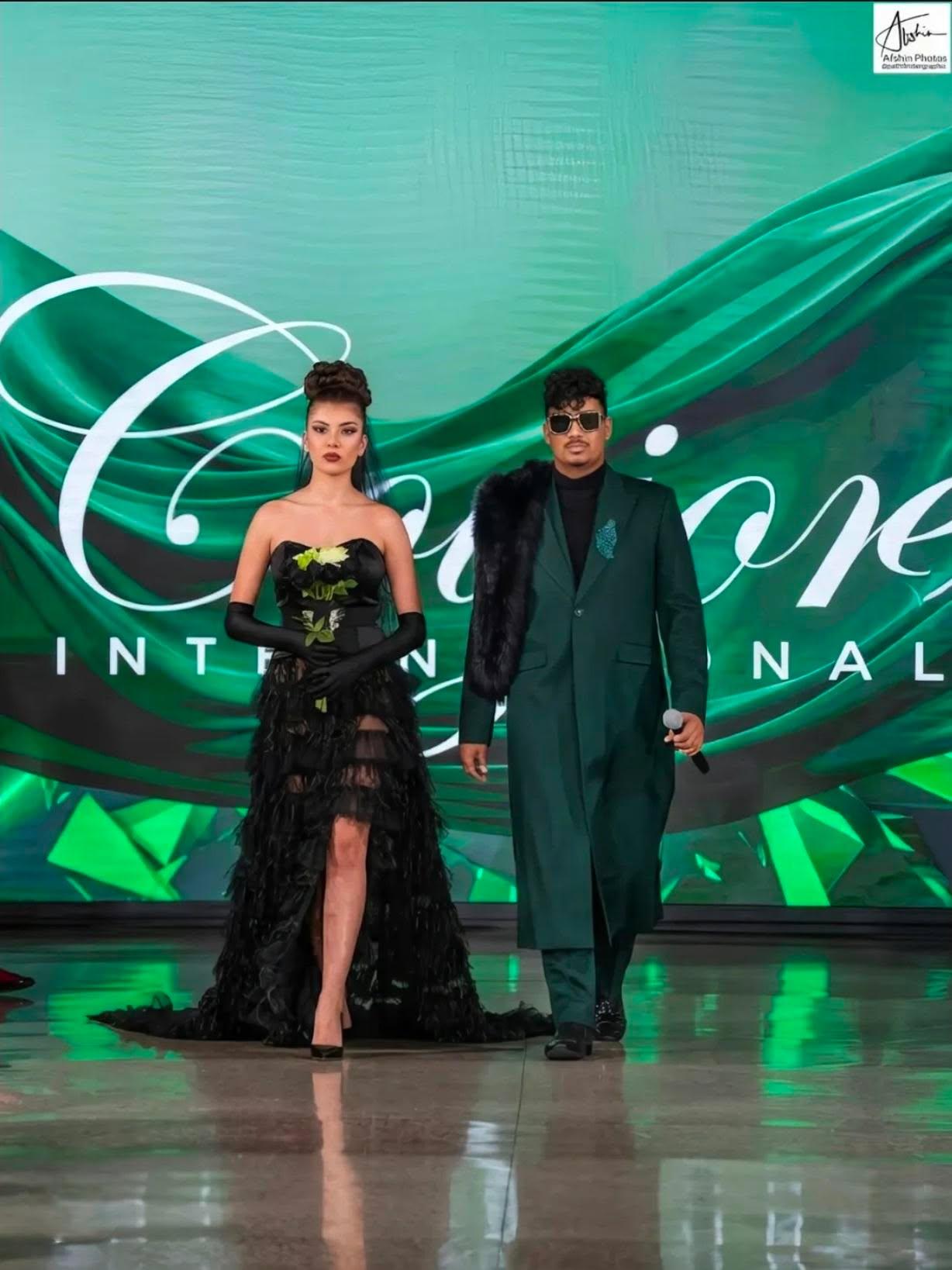
Over time, his work has attracted recognition across the fashion media landscape, with industry publications highlighting DC Fashion Week as one of the most successful regional fashion platforms in the United States. The achievement is particularly notable because Williams built much of the organization independently in its early years, often funding its development himself before sponsors and global designers began to take notice.
Today, DC Fashion Week has become a launching pad for emerging talent, providing designers exposure to international audiences and media. Each season introduces a new generation of creators working across categories ranging from couture and ready-to-wear to streetwear and accessories.
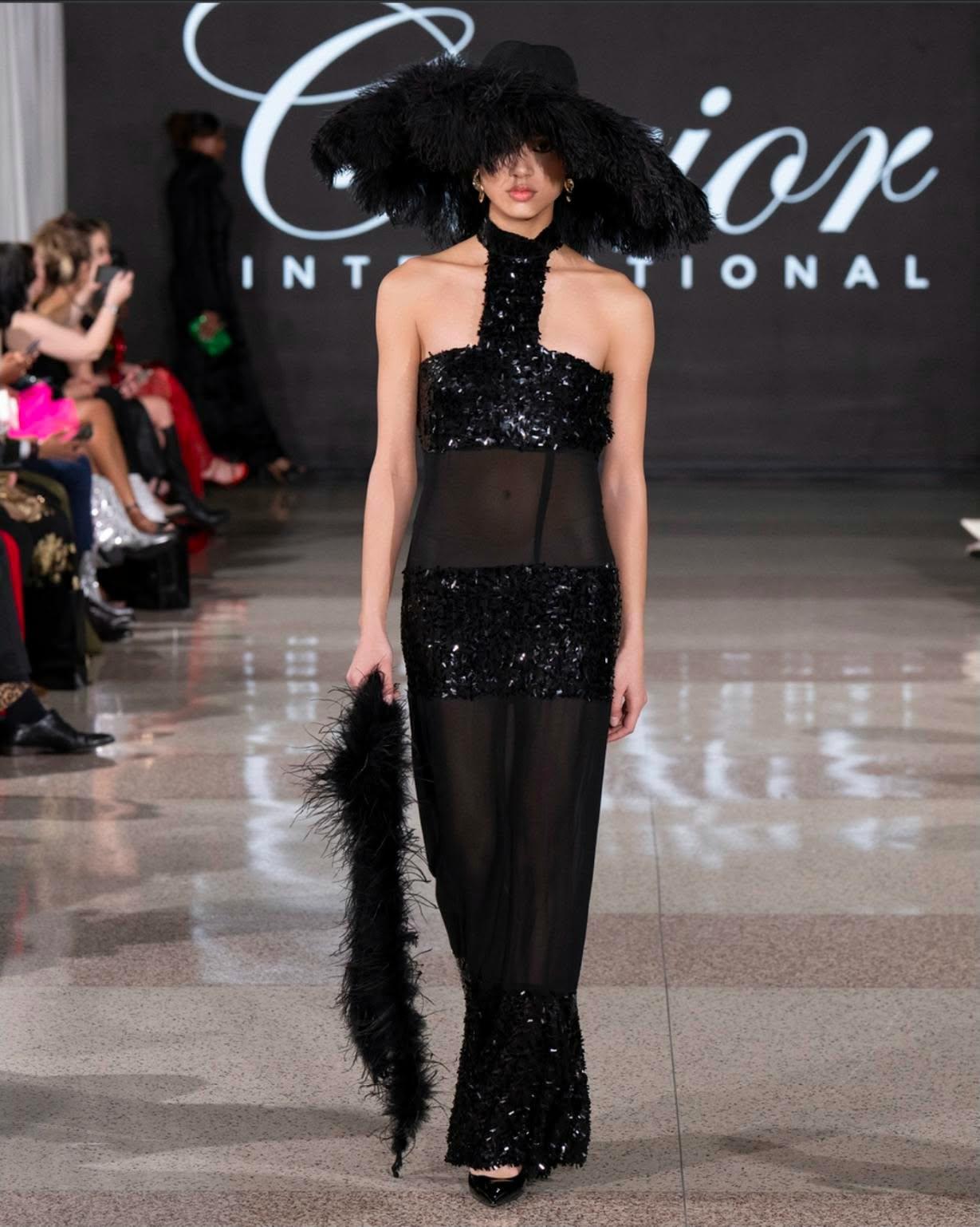
The momentum continues into 2026. From February 20–22, 2026, the organization will host its highly anticipated Emerging Designers Showcase, a program widely regarded as one of the event’s most important platforms for rising talent.
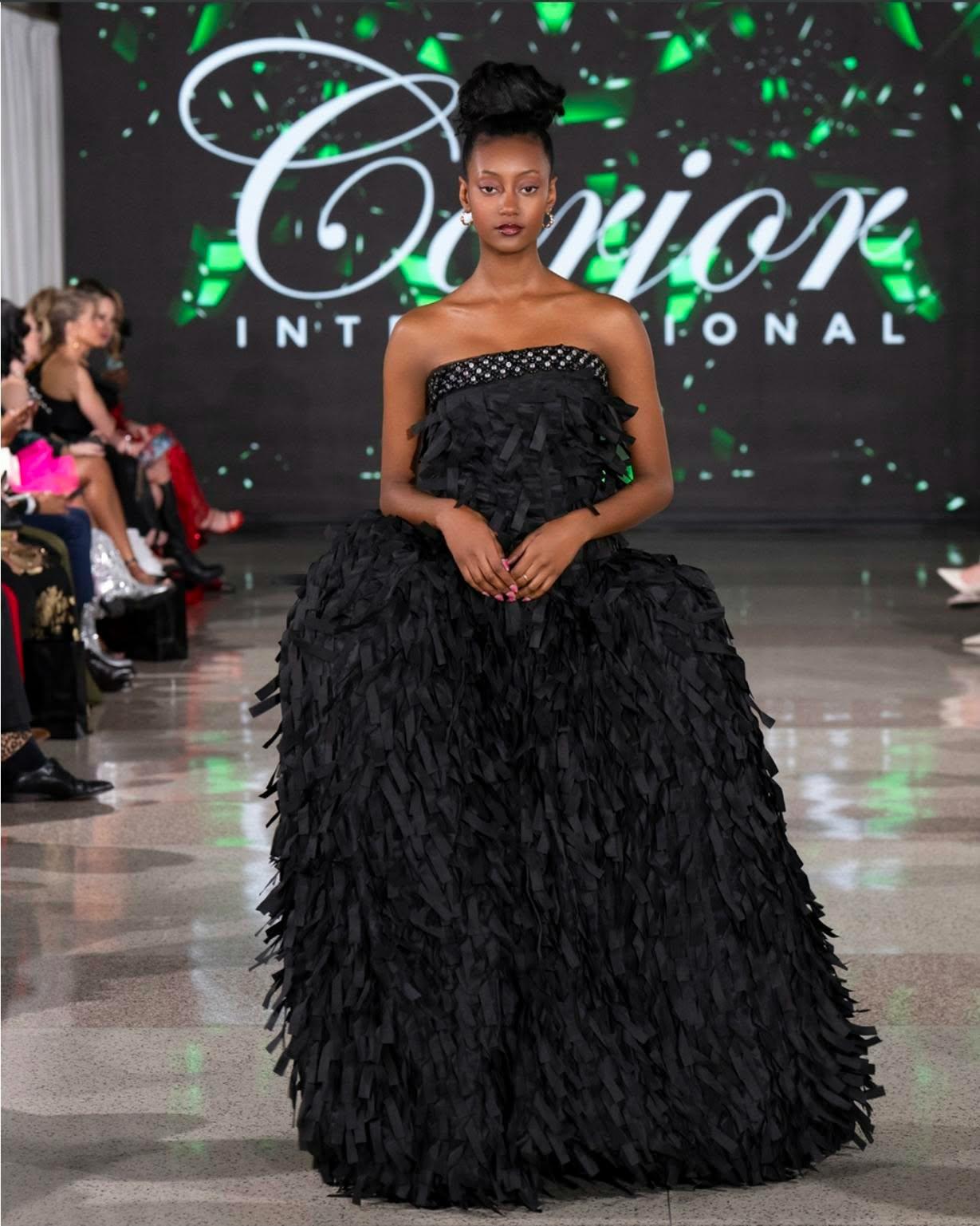
Later that year, DC Fashion Week will reach a defining milestone. From September 25–27, 2026, the organization will celebrate Season 45, marking more than two decades of runway presentations and global creative exchange. Tickets for the September shows are scheduled to go on sale May 1, 2026, with anticipation already building among designers and fashion enthusiasts worldwide.
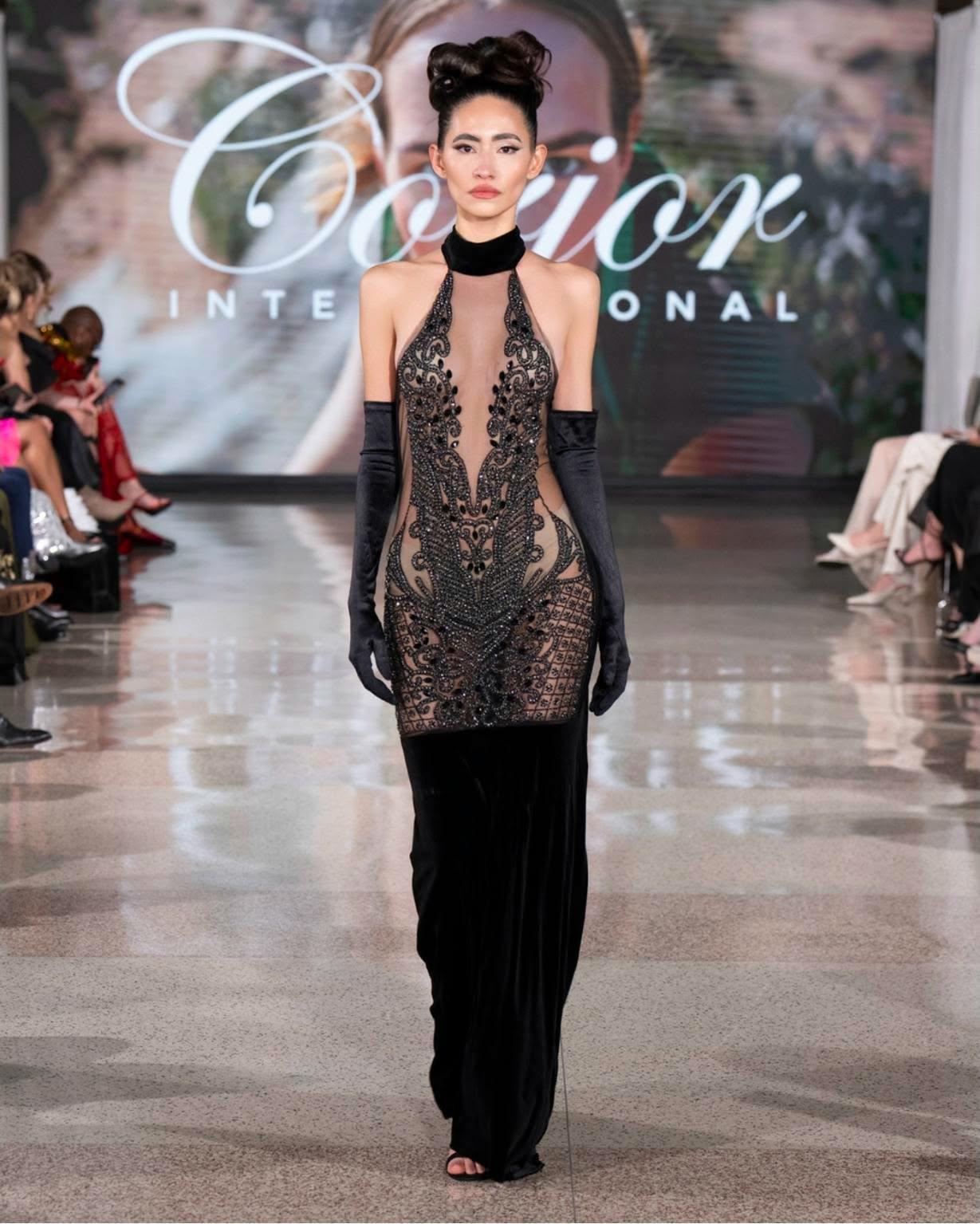
For Williams, however, the success of DC Fashion Week has never been solely about fashion. It is about building an ecosystem—one where designers, stylists, photographers, and creatives can collaborate and grow. In an industry historically dominated by a handful of fashion capitals, he has proven that influence can emerge from unexpected places.
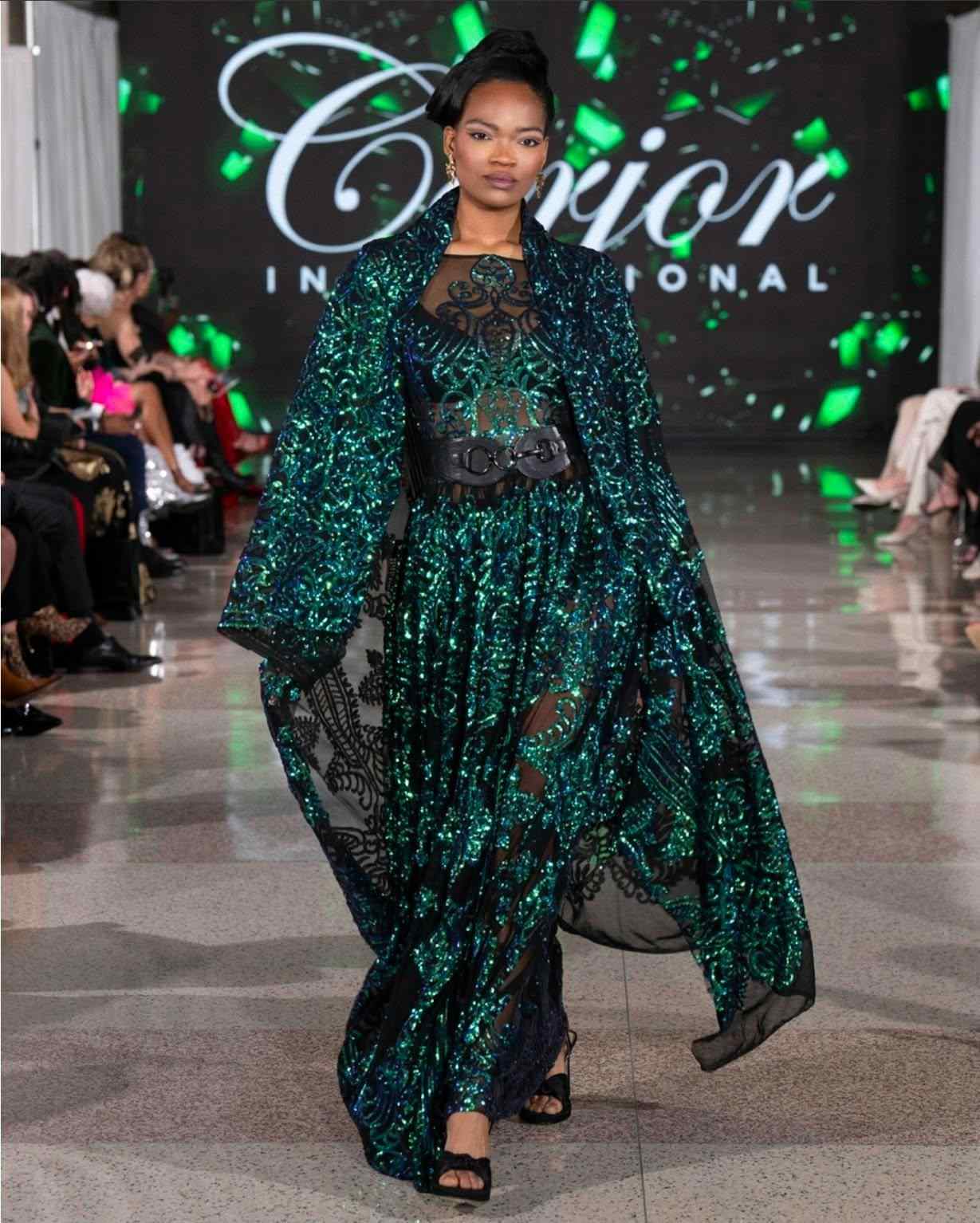
Washington, D.C. may still be known for politics. But thanks to Ean Williams, it is also becoming known for something else entirely: a runway where the future of fashion is quietly being written.
Follow the journey on Instagram: @mr_dcfashionweek